Hiller Aviation Museum
Extreme Flight
Extreme Flight Camp Details
Discover the limits of the world of flight from first to fastest, from biggest to smallest, and all of the awesome aviation innovations in between!
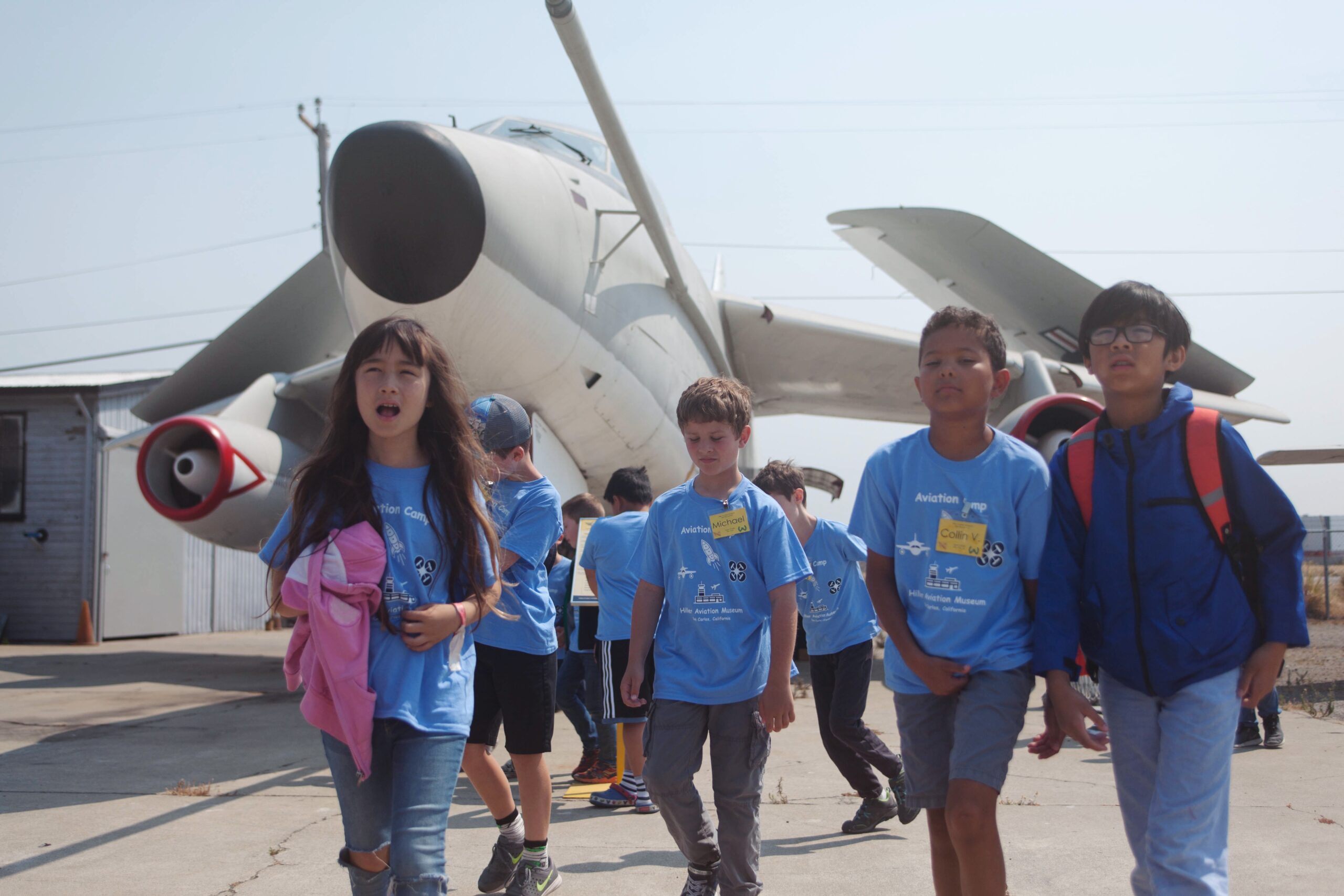
Follow in the footsteps of the earliest aviators, from balloon and glider pioneers to the groundbreaking work of Wilbur and Orville Wright. Check out in the cockpits of many historical aircraft, and construct flying models of many different types of flying machines. Accelerate into the realm of supersonic flight in an exploration of high speed aviation. Experiment with sound waves and pilot a supersonic aircraft in the flight simulators to discovery the perils and promise of future travel beyond the sound barrier.
Camp Details
Extreme Flight Sessions
- June 15-19, 2026
- June 29 – July 3, 2026
- July 13-17, 2026
- July 27-31, 2026
- August 10-14, 2026
See Camp Calendar for availability.
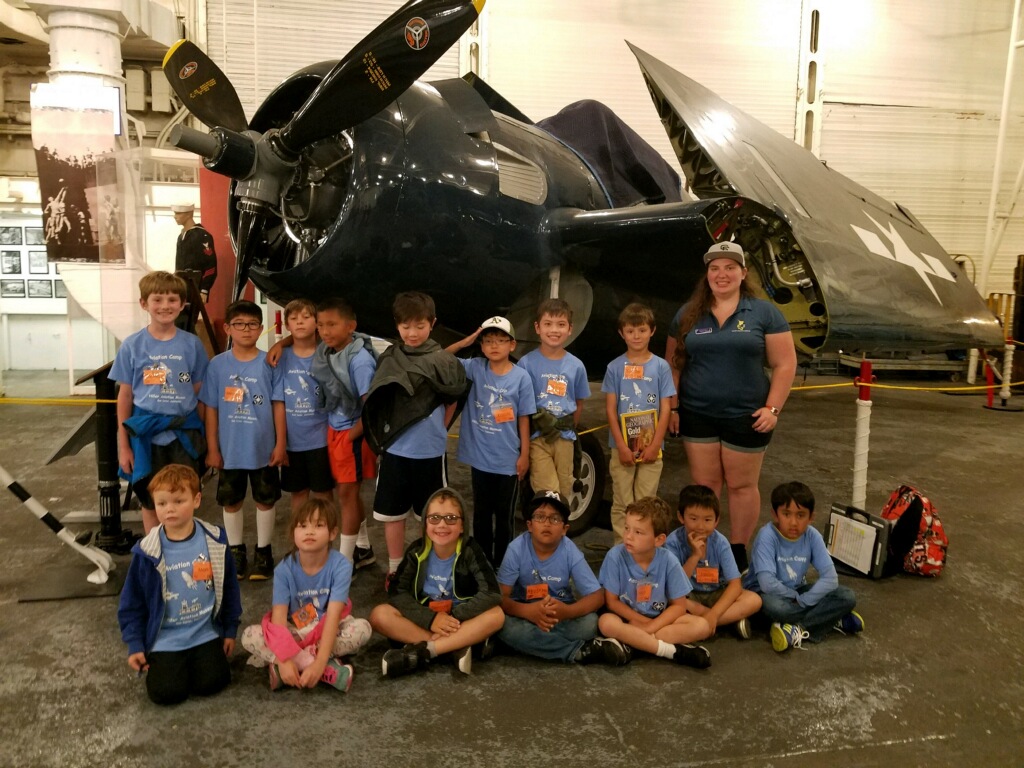
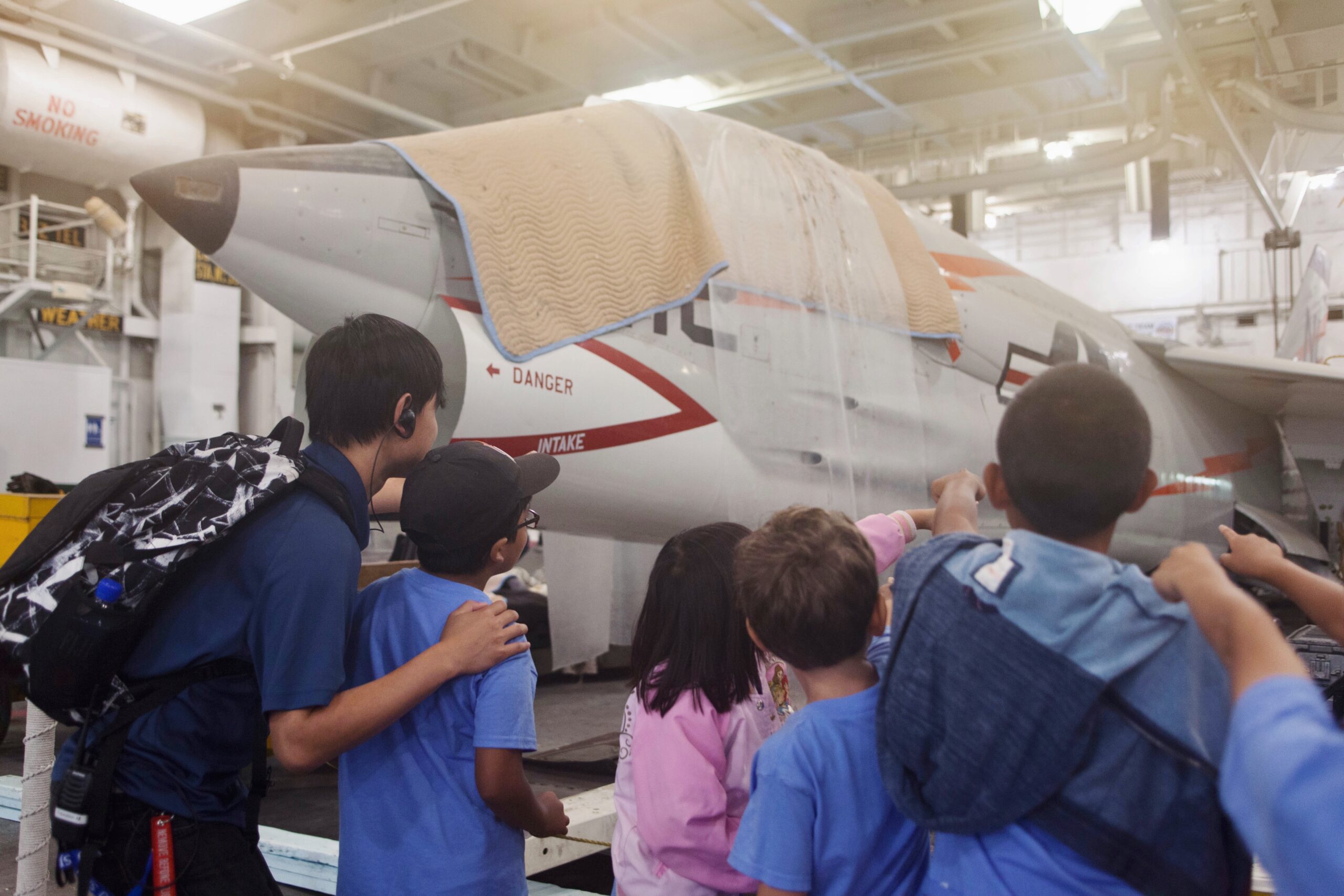
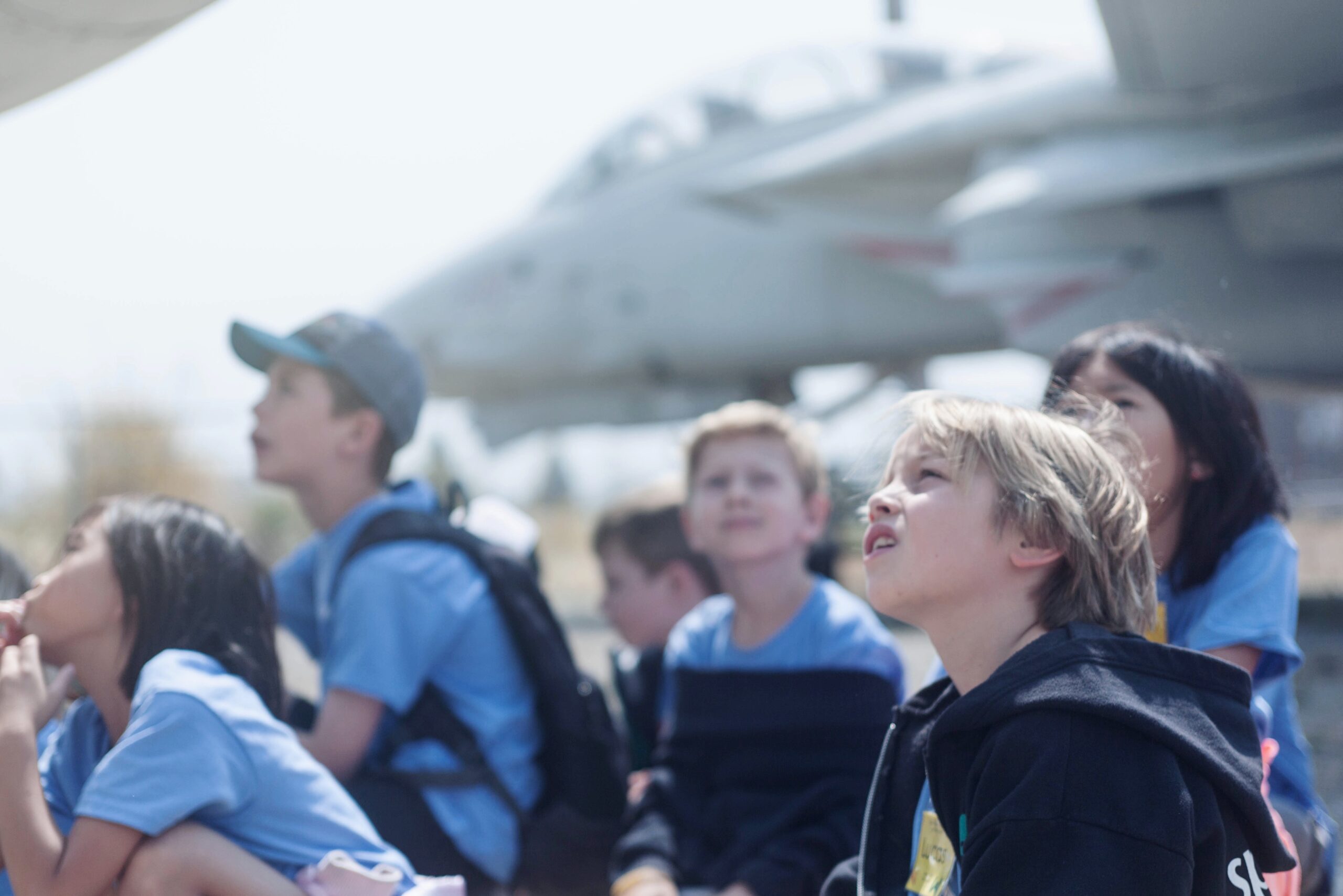
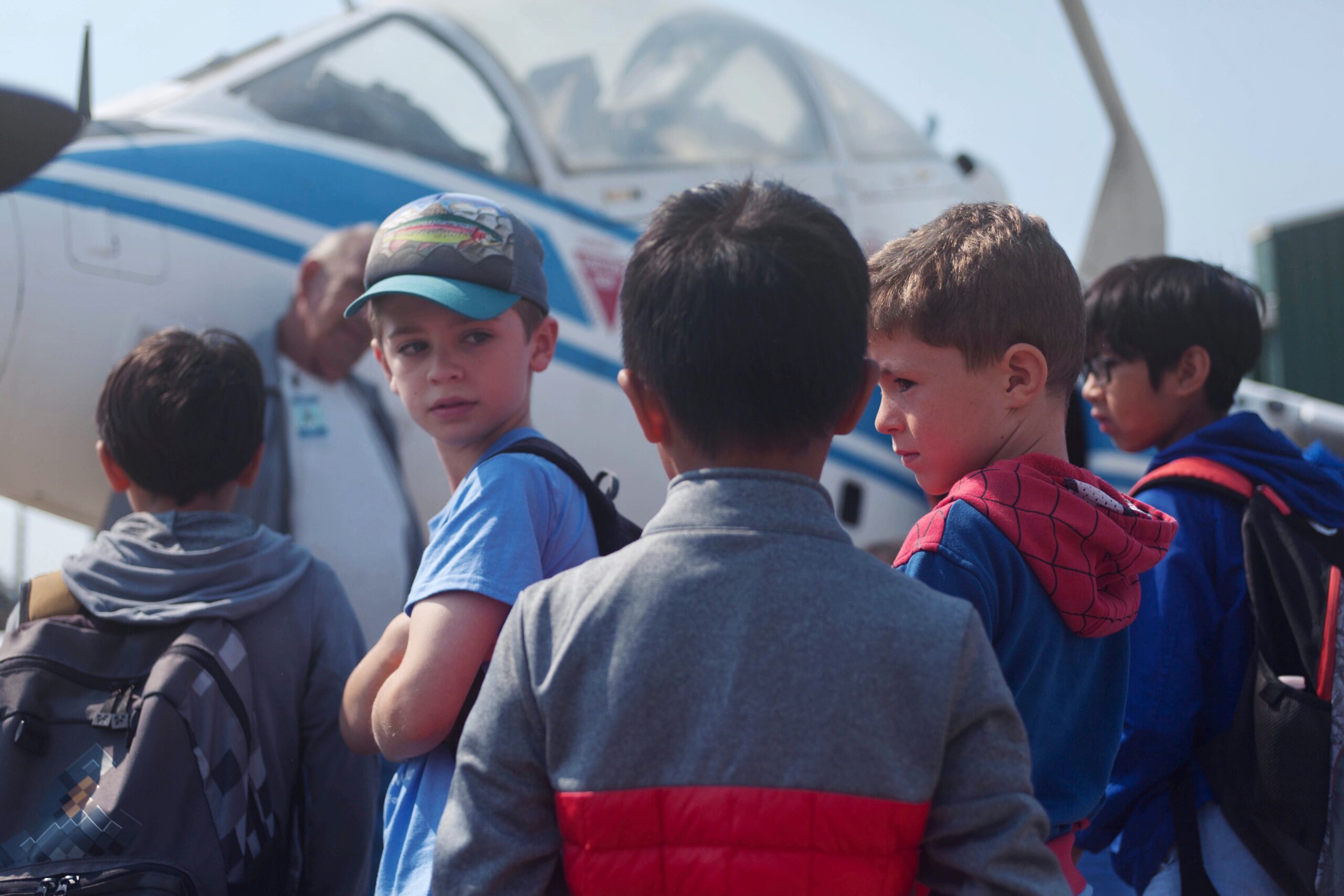
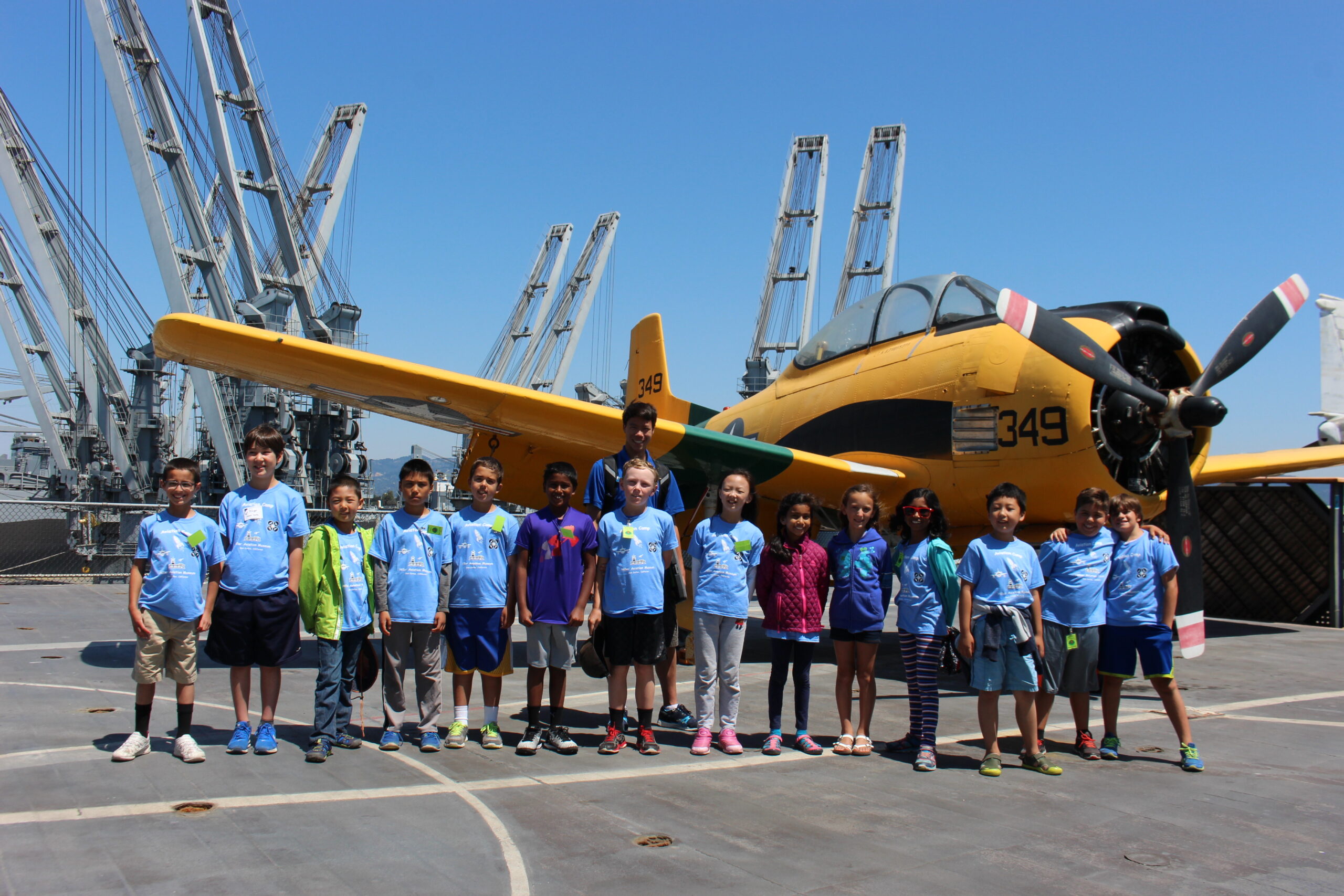
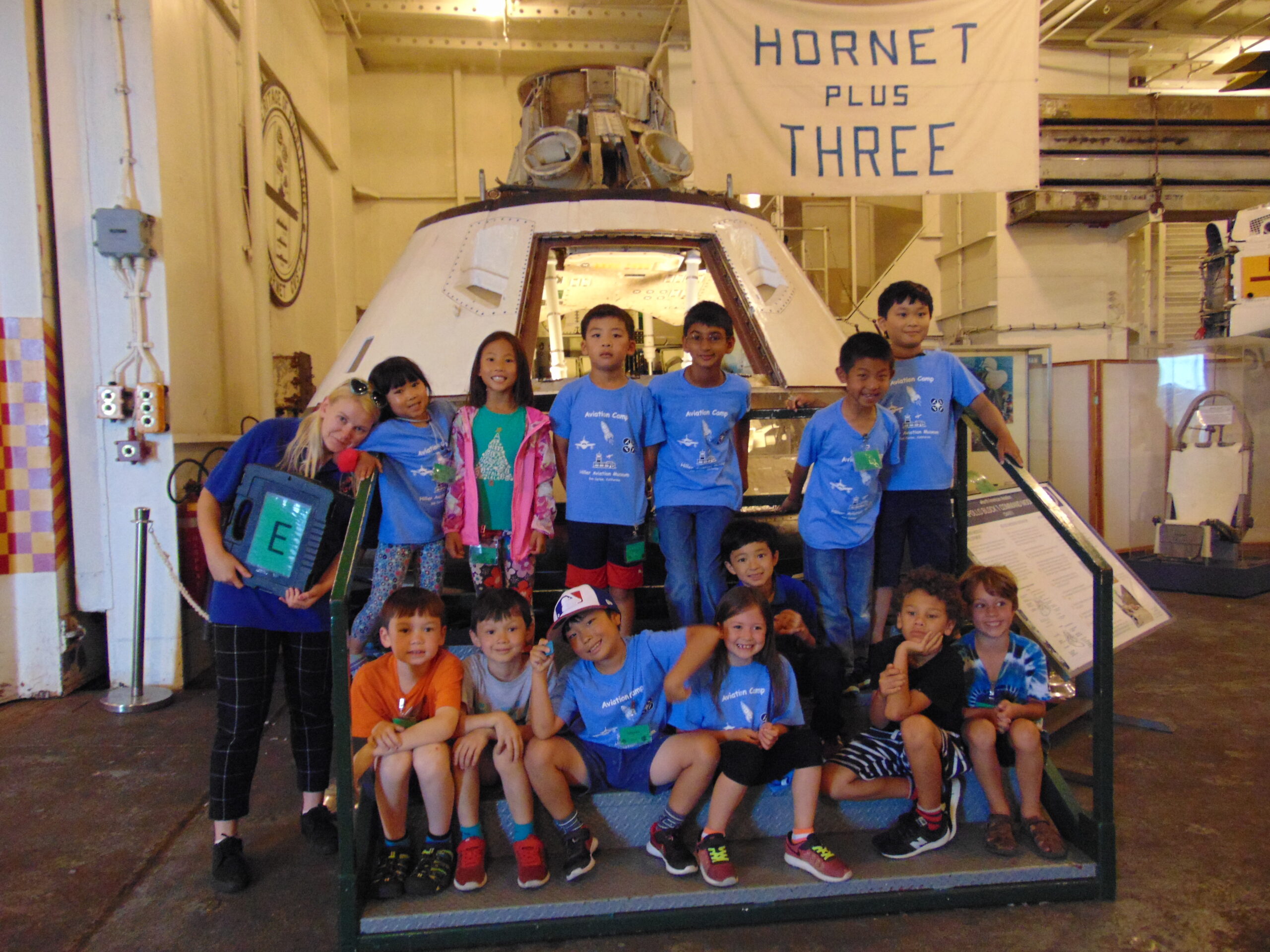
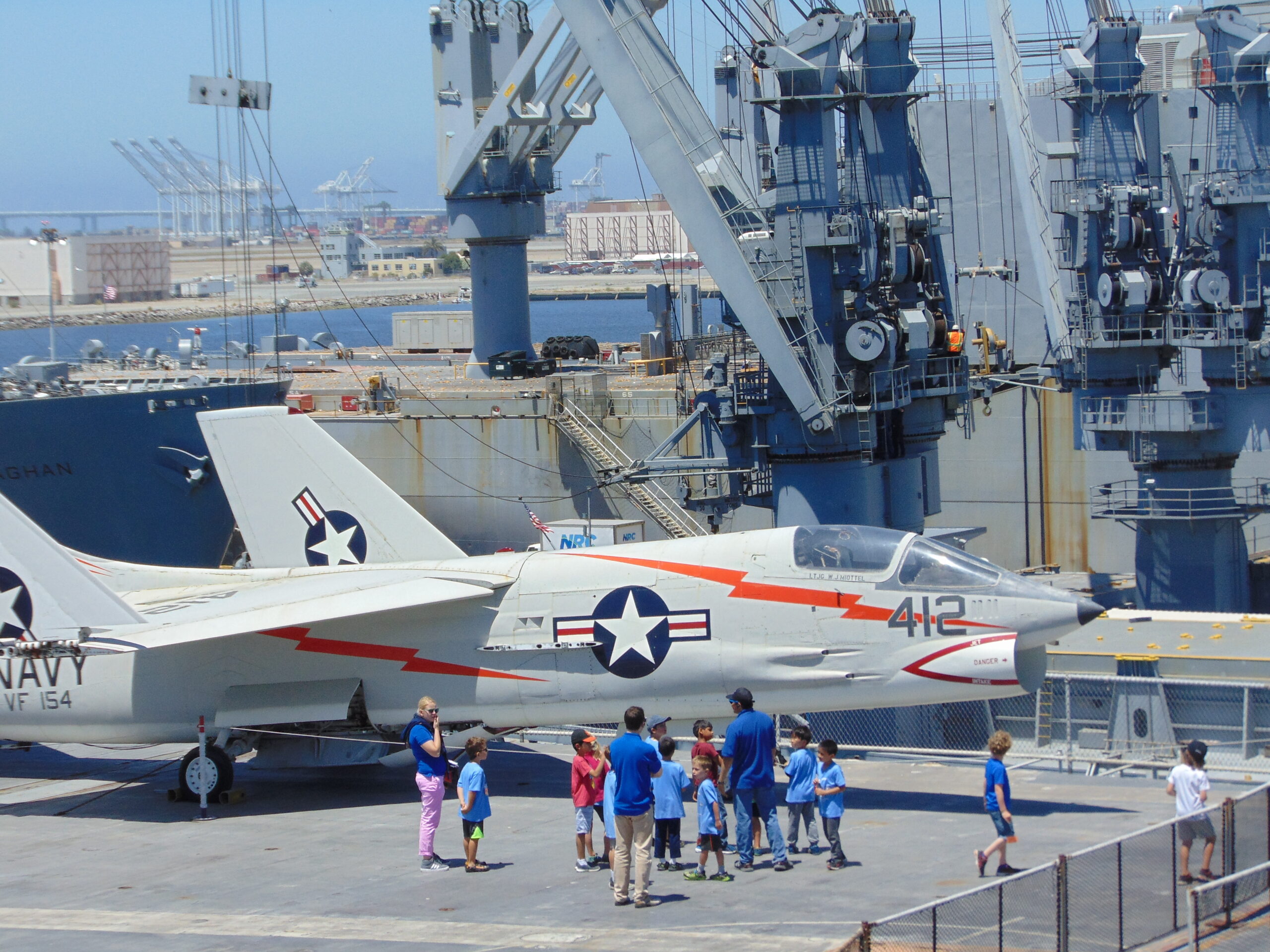
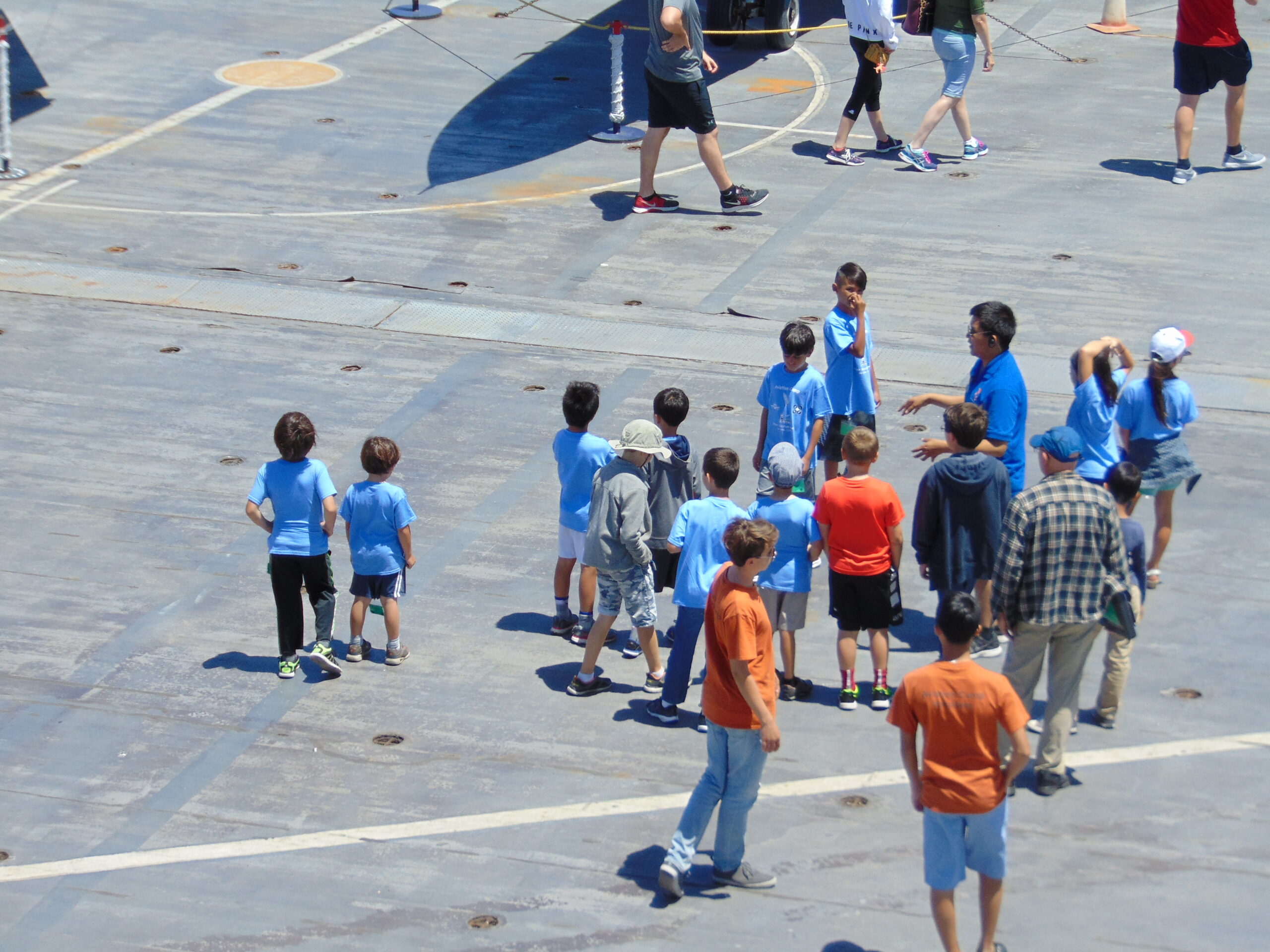
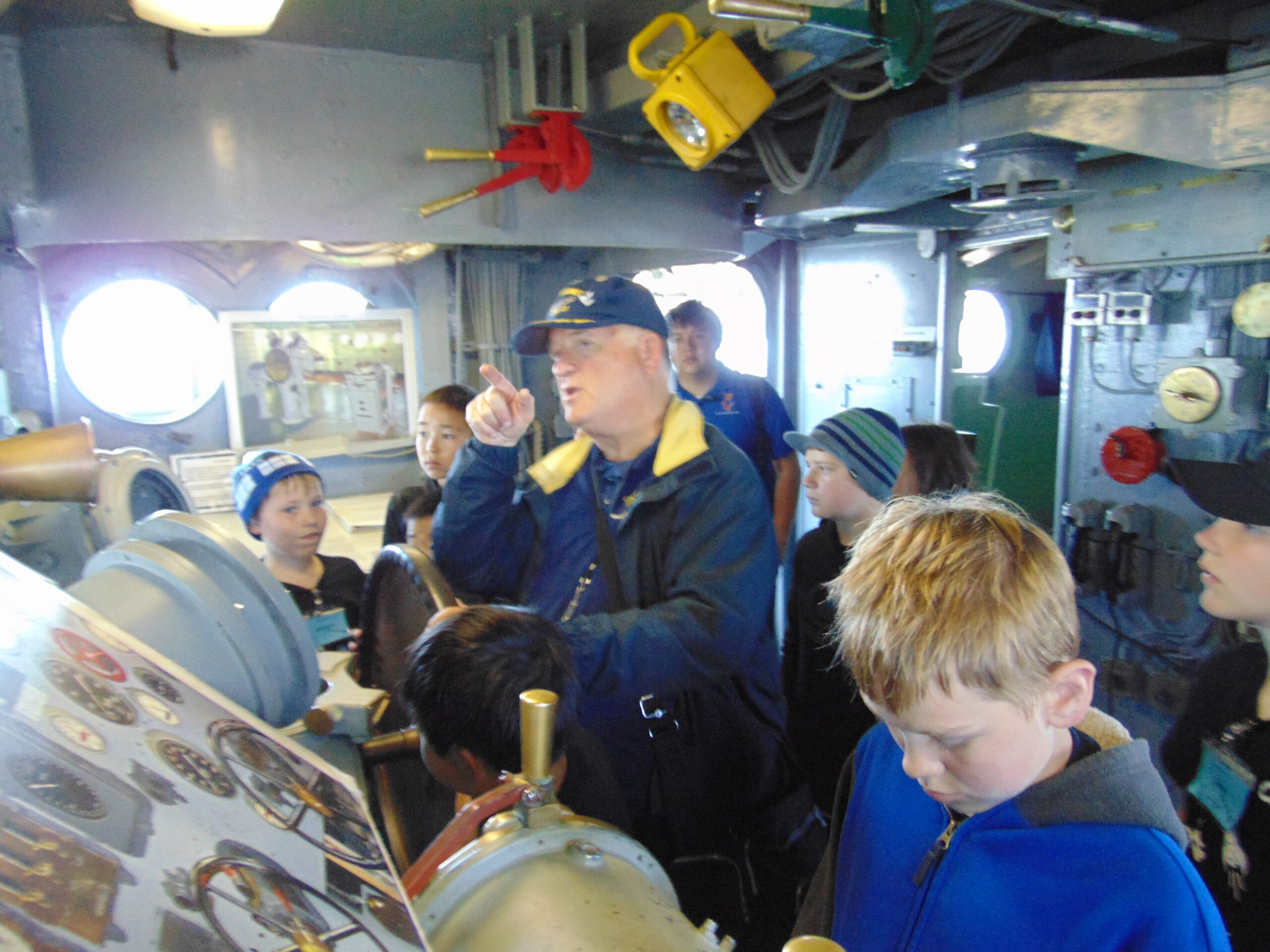
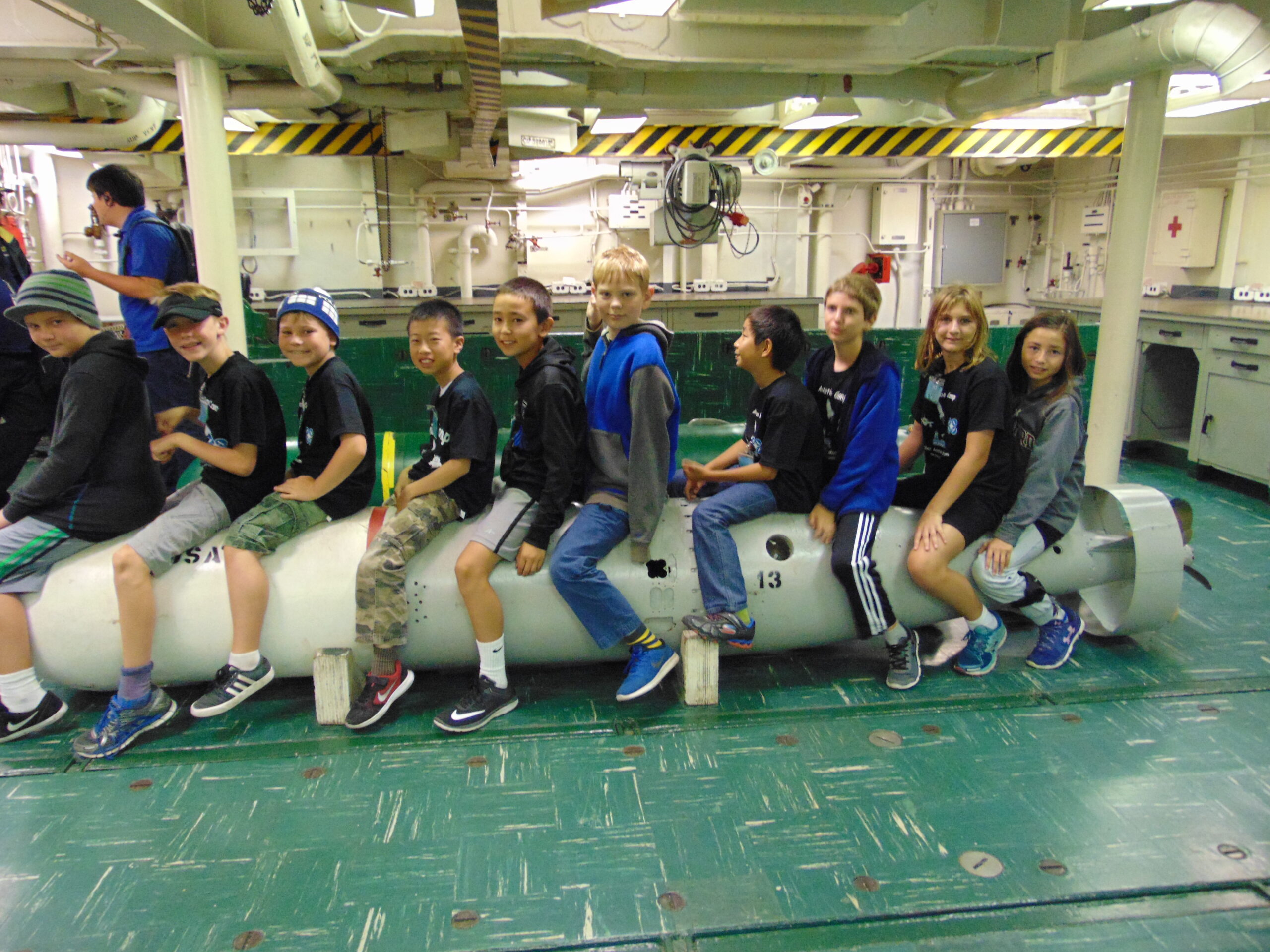
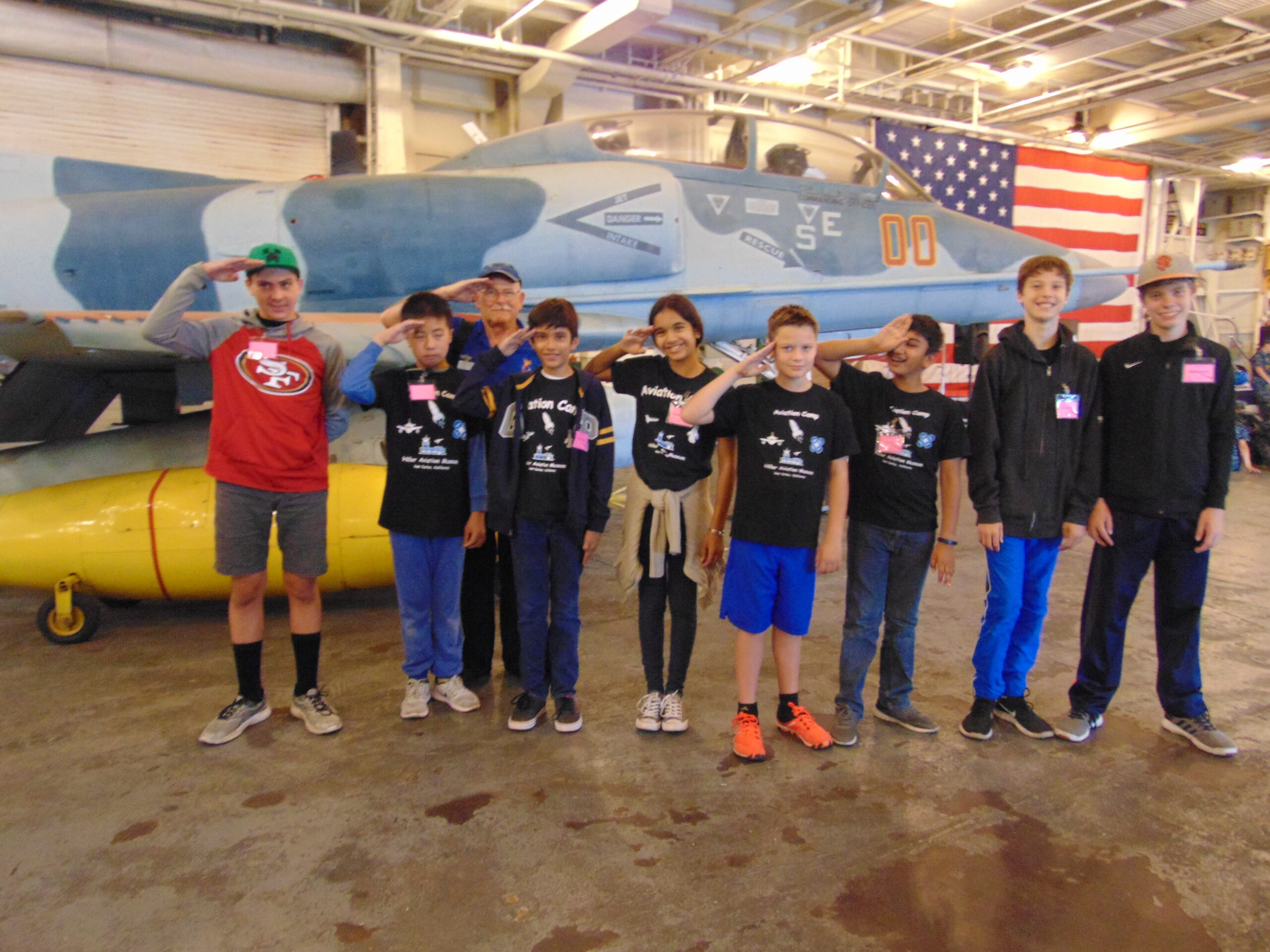
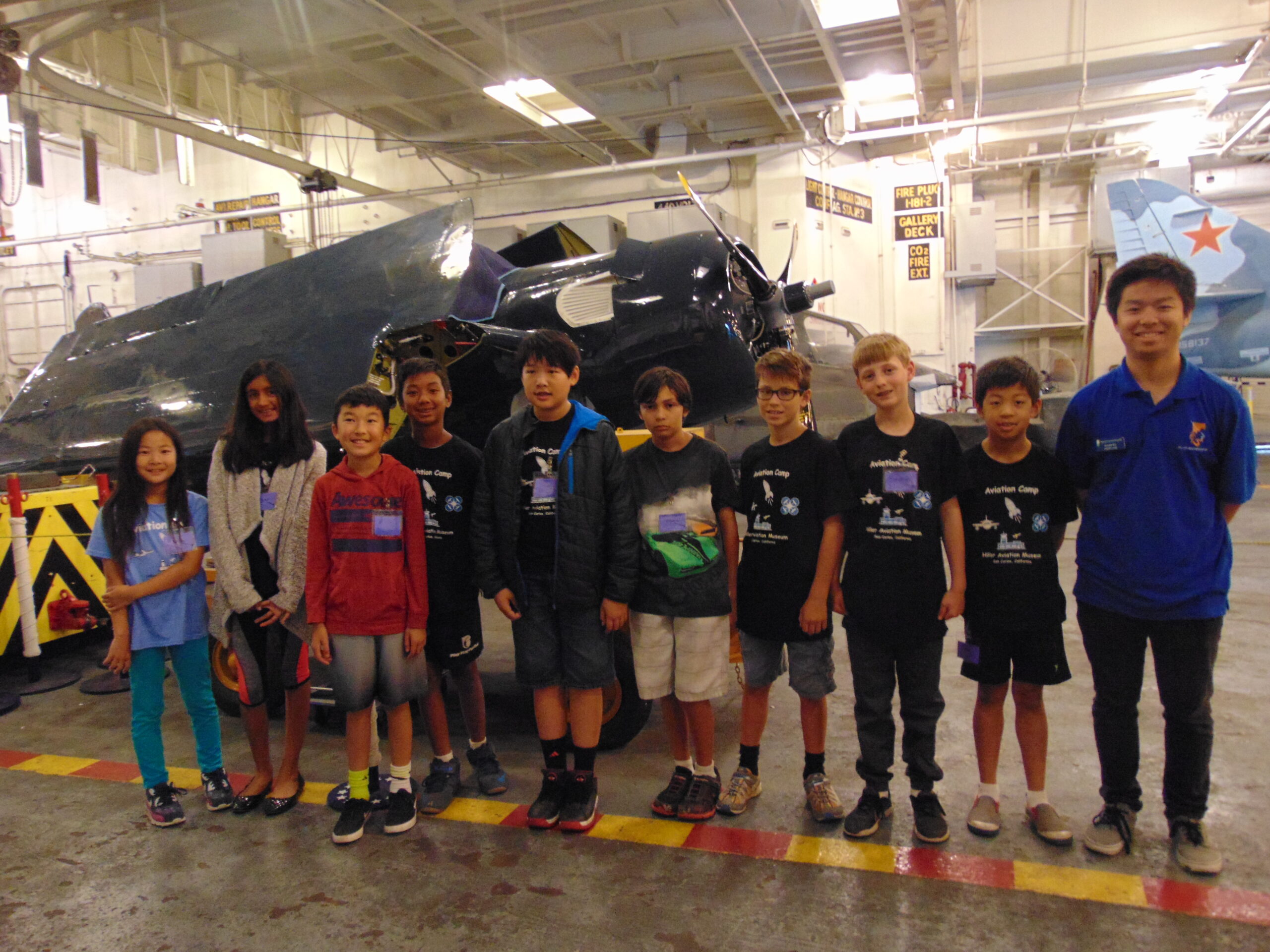
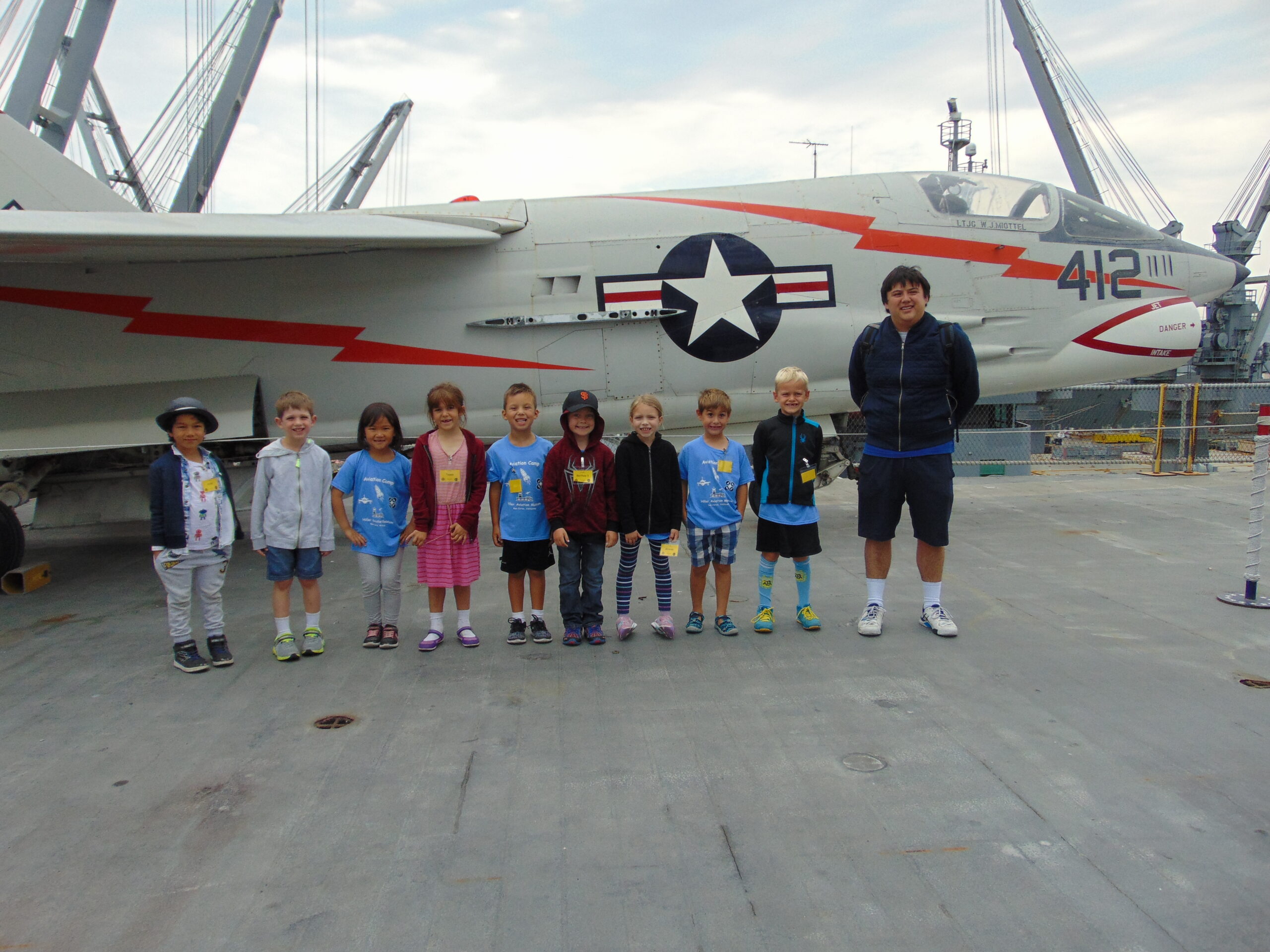
Field Trip Information - USS Hornet
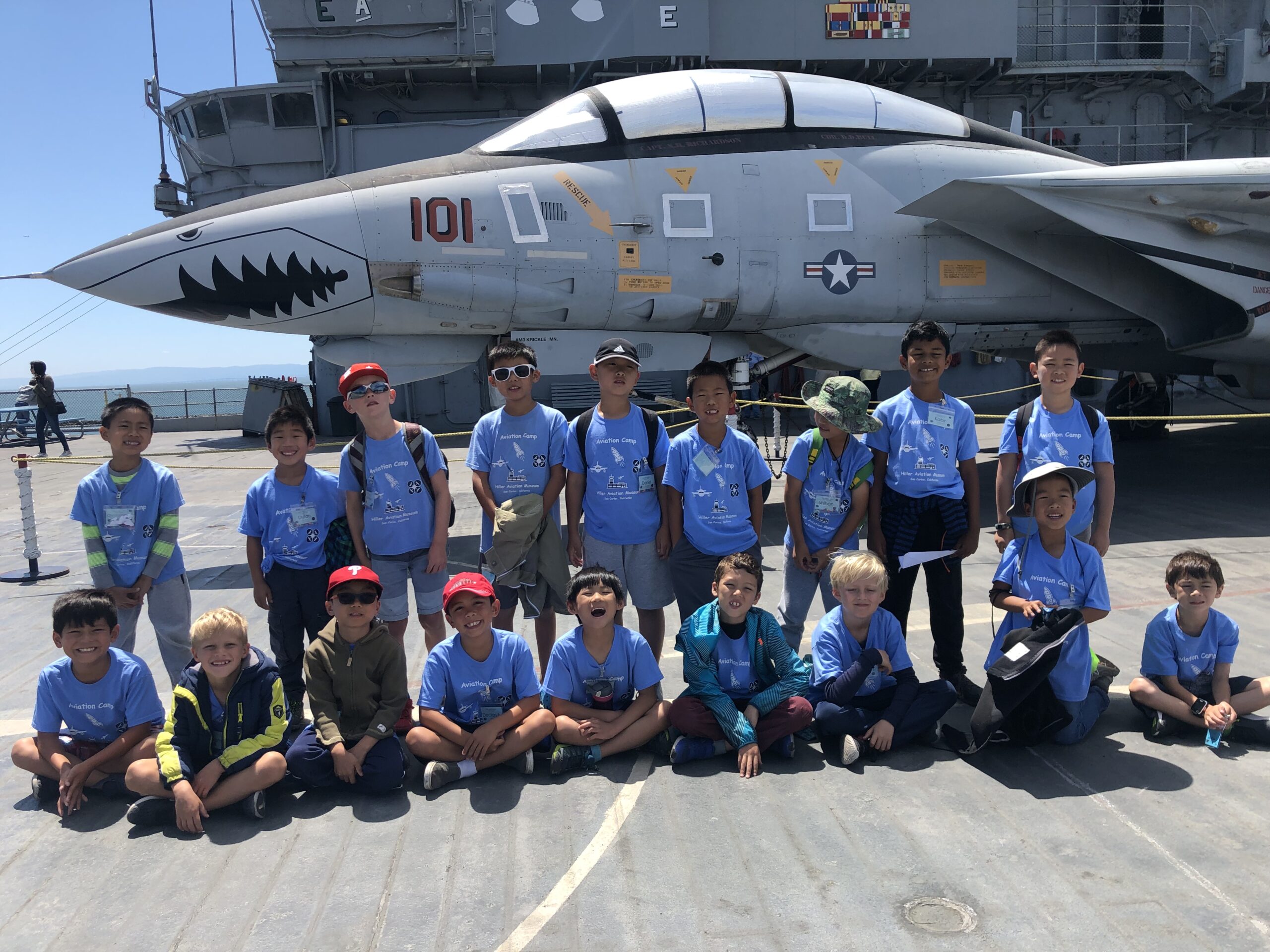
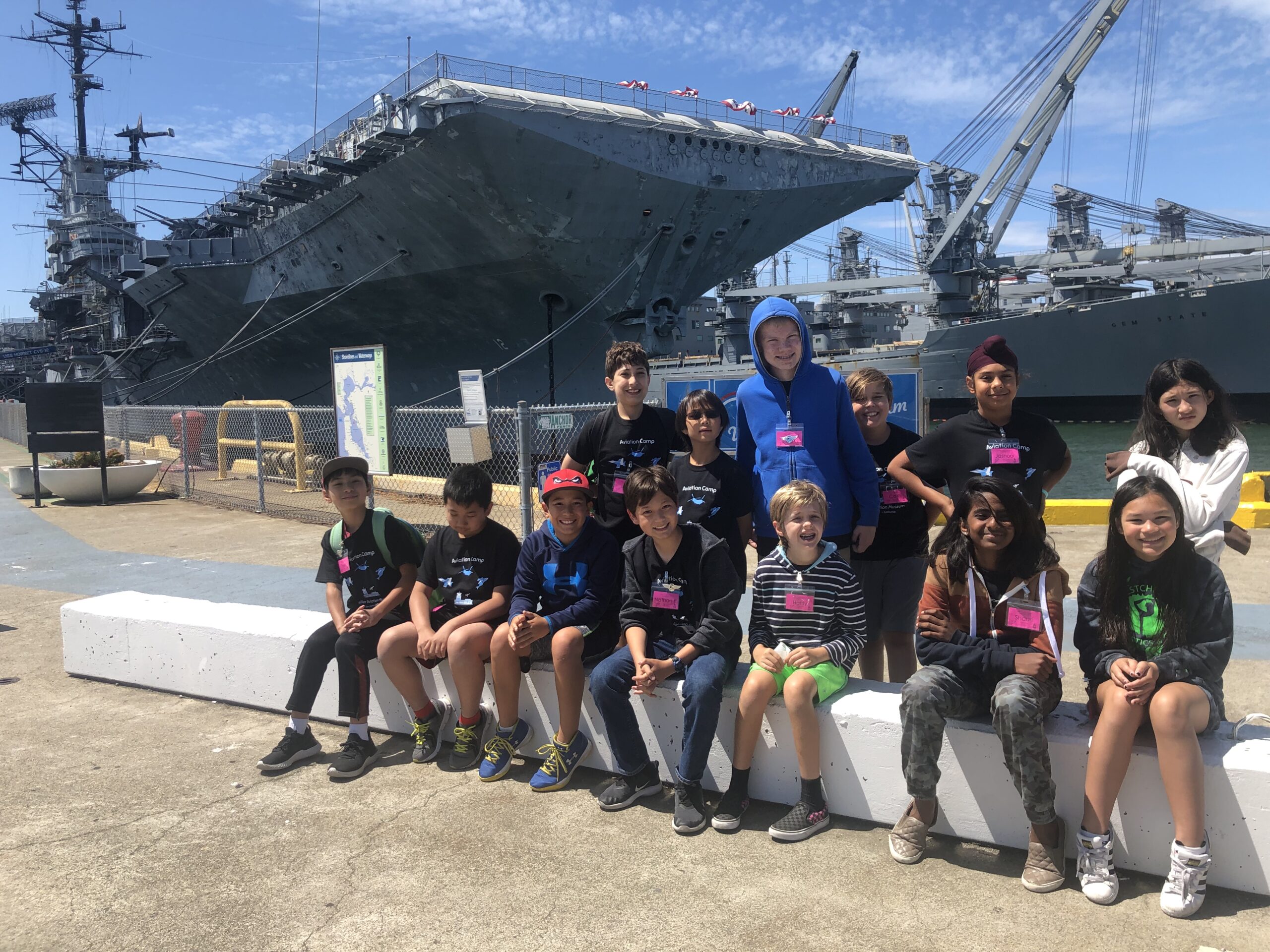
Campers from the Extreme Flight camp (June through August only) participate on a Friday field trip to the USS Hornet Museum in Alameda, CA.
Campers should check in by the regular 9 AM start time at the Hiller Aviation Museum on Friday morning. They will depart the Hiller Aviation Museum via bus promptly at 9:30 AM and return to the Hiller Aviation Museum by 3:30 PM on Friday afternoon.
Camp activities will continue at the museum until the usual 4 PM pick-up time.
Parents are welcome to attend the USS Hornet, providing their own transportation and admission fees. See field trip information letter for more details.
Note: Field Trip applies to summer camps only--for camps happening June through August. School Year camps (September through May) do not go on field trip.
EXAMPLE OF EXTREME FLIGHT CURRICULUM
LESSON |
DESCRIPTION |
| Aircraft Carriers | Observed carrier landings and created a glider with a tailhook to catch on a mock carrier. |
| Drone Plex | Flew a simulated quadcopter in the Drone Plex. |
| Field Trip | Friday – Field trip to the USS Hornet, aircraft carrier. |
| Glider (UAV) | Designed and built a mock Unmanned Aerial Vehicle (UAV) with a specific function/task in mind out of balsa wood gliders and craft materials. |
| Hang Gliders | Learned about glider flight and tested a hang glider model. |
| Magnet Racers | Visualized magnetic fields, poles, and attraction with magnets and tools. |
| Owl Pellets | Examined an owl pellet while learning about flight as an adaptation in nature. |
| Parachutes | Experimented with drag through parachutes. |
| Polar Flight | Observed the effects of different types of landing gear on land or snow (insta-sno). Designed landing gear for Polar Regions. |
| Propeller Car | Experimented with rubber-band powered motors in propeller cars. |
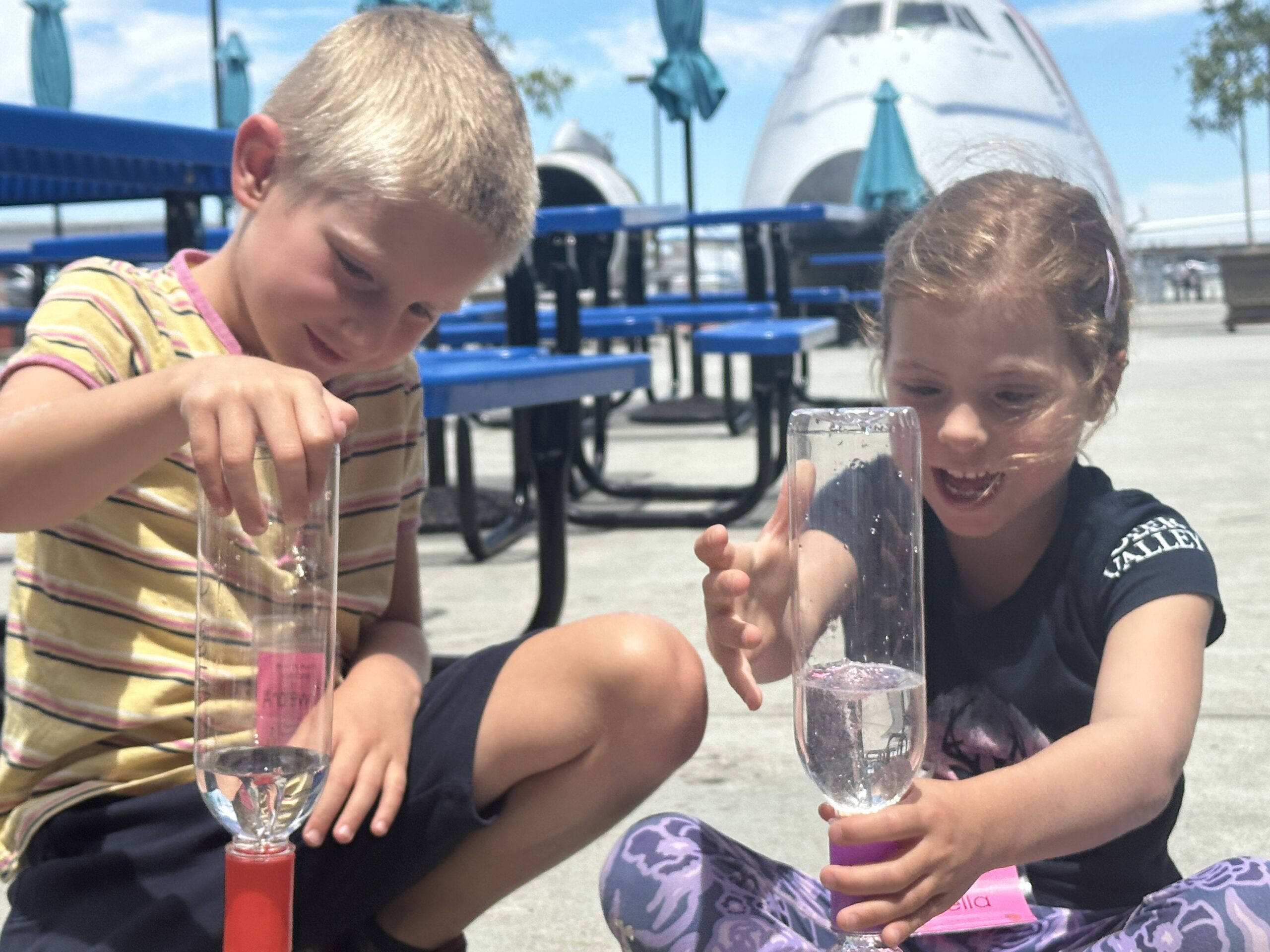
| Rockets – Micro | Learned about action and rection though chemical reactions, making a rocket take flight using baking soda and vinegar. |
| Simple Machines | Learned about levers and balance with simple machines |
| Simulators: Aerobatics | Flew an aerobatic aircraft in the flight simulators. |
| Simulators: Glider | Flew a glider in the flight simulators. |
| Simulators: Intro | Completed introductory flight simulations learning how to fly straight and level, land, and take-off. |
| Simulators: Night Flight | Flew around the bay at night and learned to use the instruments to navigate. |
| Water Rockets | Tested Newton’s Third Law of Motion with Water Rockets. |
Extreme Flight Camp Includes
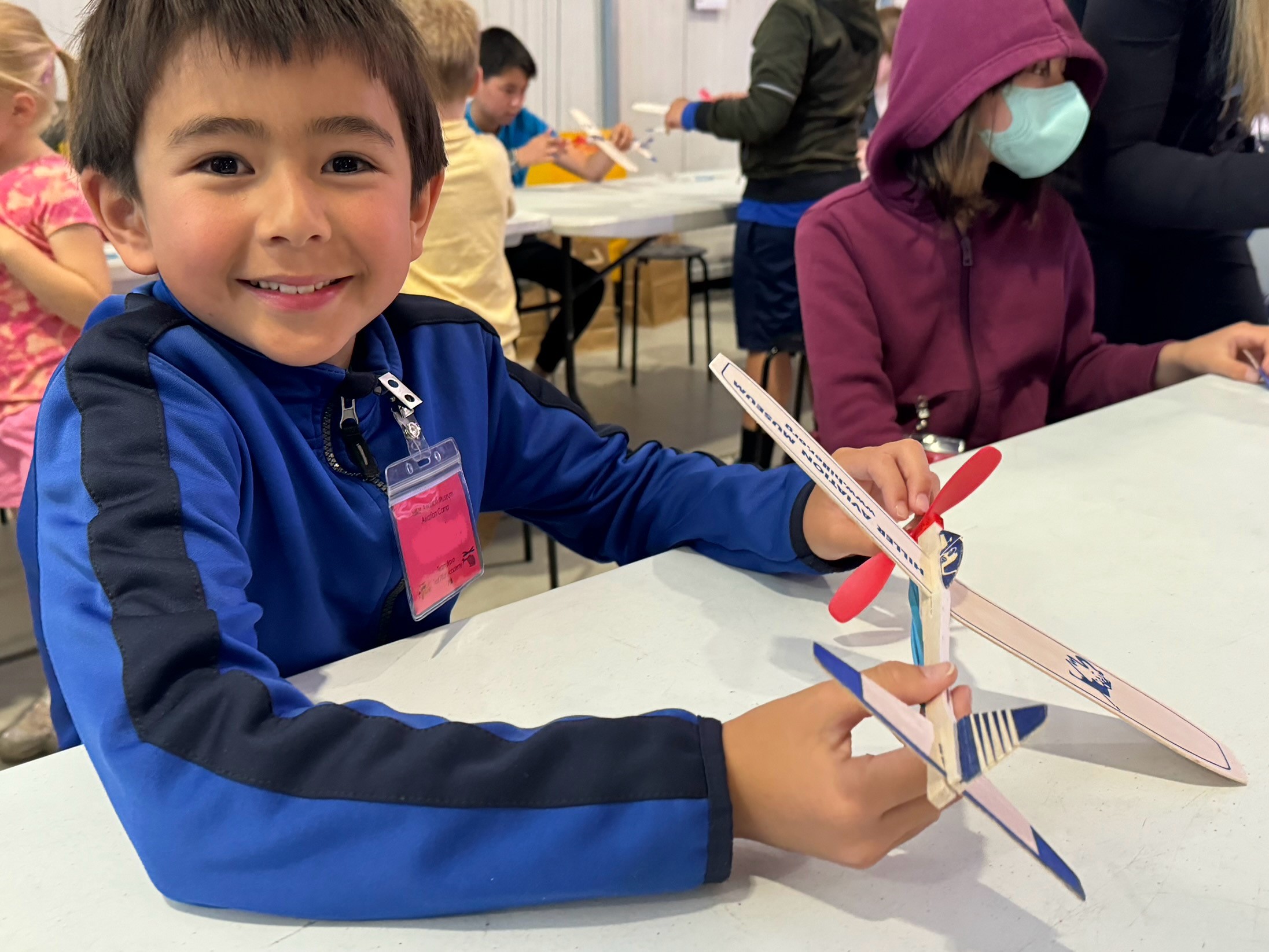
Airplanes
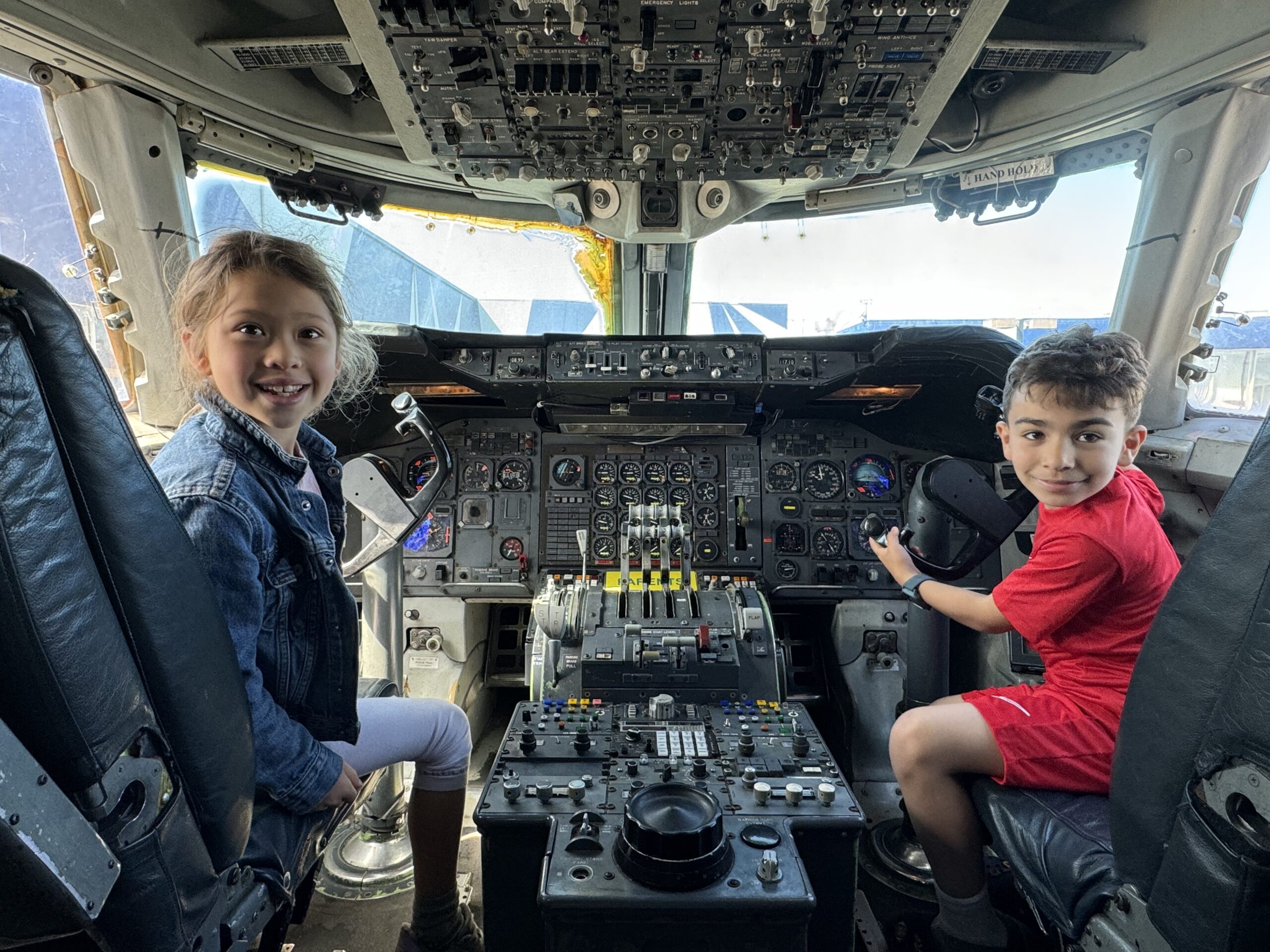
Cockpits
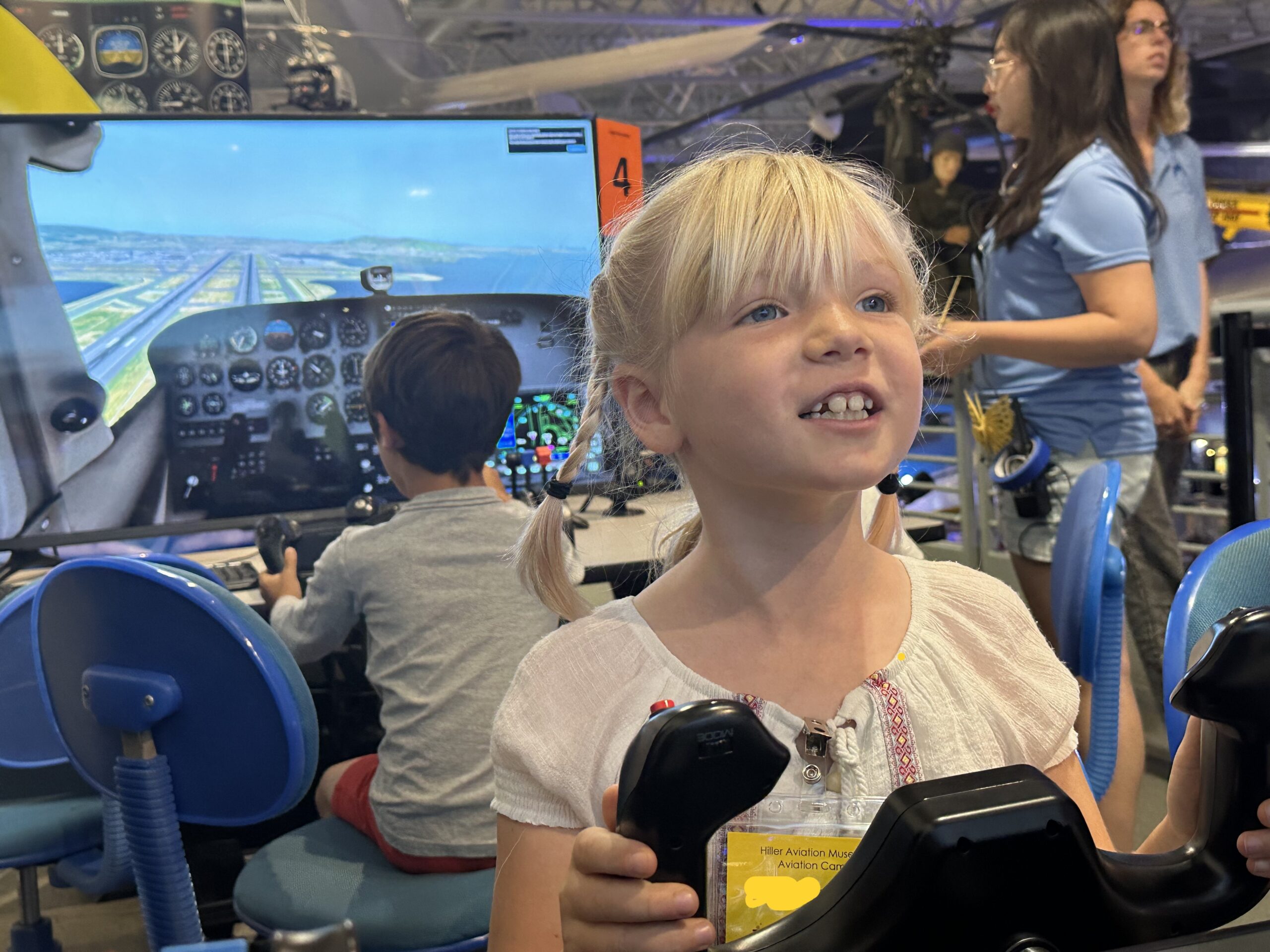
Flight Simulations
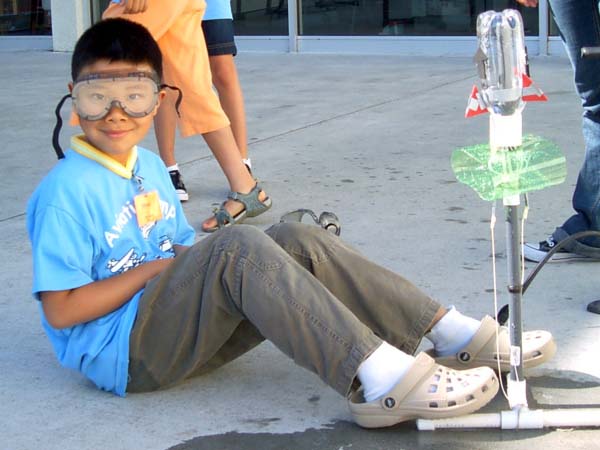
Water Rockets