
Hiller Aviation Museum
Land, Sea, & Air
Explore Science & Engineering
with Hands-On Experiments!
Land, Sea, & Air Camp Details
New for 2026!
Delve into science and nature with volcanoes, the ocean, the forest, the atmosphere, animal flight, aviation, and more!
Observe how weather affect flights and see how wind moves over different wing shapes. Create chemical reactions with volcano experiments while learning about the earth’s layers. Complete electrical circuits with human touch. Observe camoflauge from sea to sky.
Camp Details
Land, Sea, & Air Sessions
School Year
- March 30 – April 3, 2026
- April 6-10, 2026
Summer
- June 1-5, 2026
- June 15-19, 2026
- June 29 – July 3, 2026 (4 or 5 day option)
- July 13-17, 2026
- July 27-31, 2026
- August 10-14, 2026
- August 24-28, 2026
See Camp Calendar for availability.
EXAMPLE OF LAND, SEA, & AIR CURRICULUM
LESSON |
DESCRIPTION |
| Amphibious | Learned about Amphibious aircraft as critical tools in studying and protecting animal populations, particularly in remote, coastal, or wetland areas. |
| Camoflauge | Camouflage in animals and aircraft uses similar principles—background matching, disruptive coloration, and countershading—to blend into environments or confuse observers regarding size, speed, and direction |
| Caves | Explored a fascinating and fragile underground world and learned about the values of caves. |
| Currents | Learn about ocean currents to understand how waves form and why tides rise and fall. |
| Echolocation | Learned about how animals navigate using echo-location and how echolocation tecnology is adapted for drones/small aircraft in low-light situations. |
| Energy | Observe energy in action with plasma balls. |
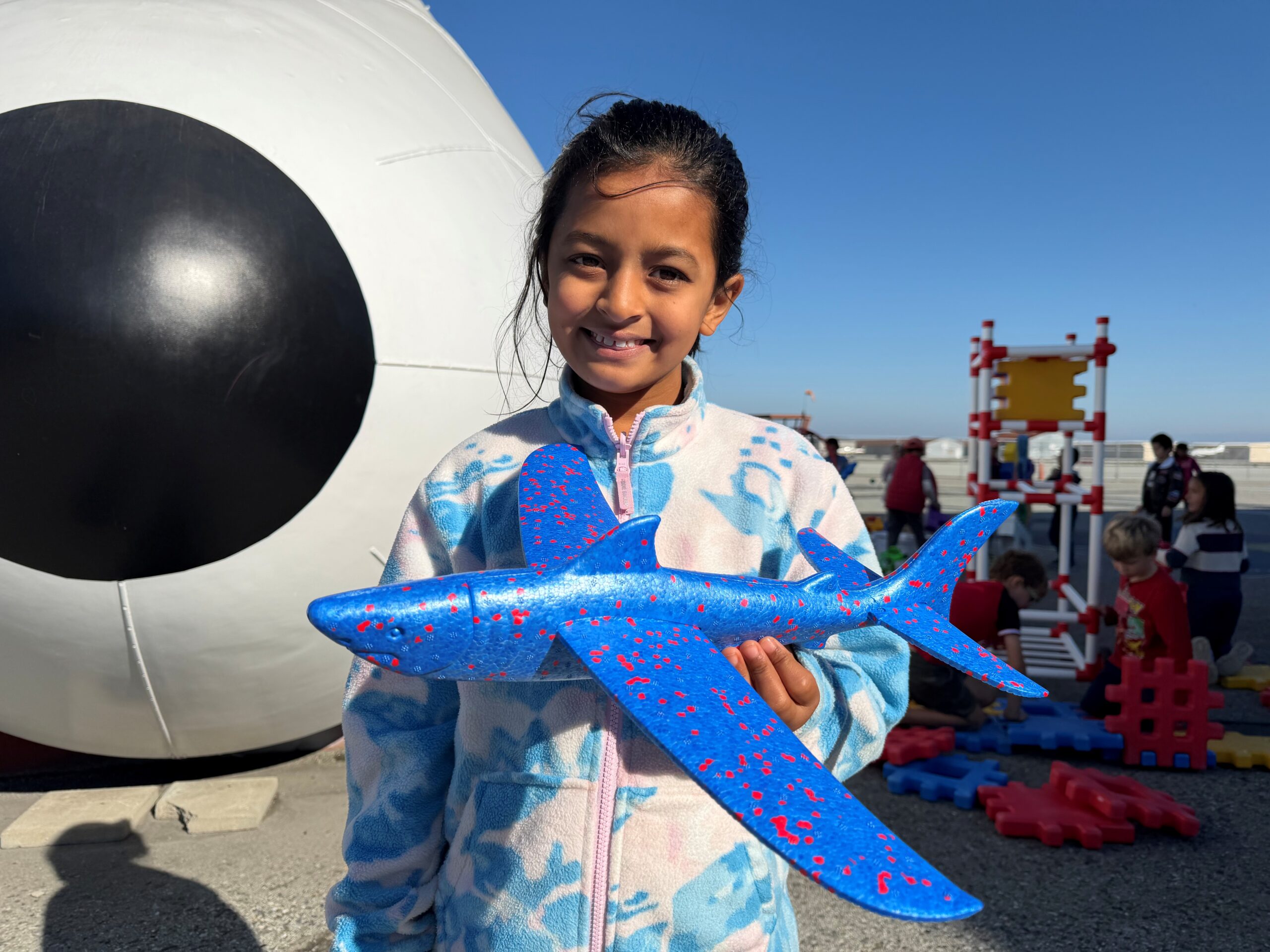
| Gliders – Shark | Learned about glider flight and flew a glider. |
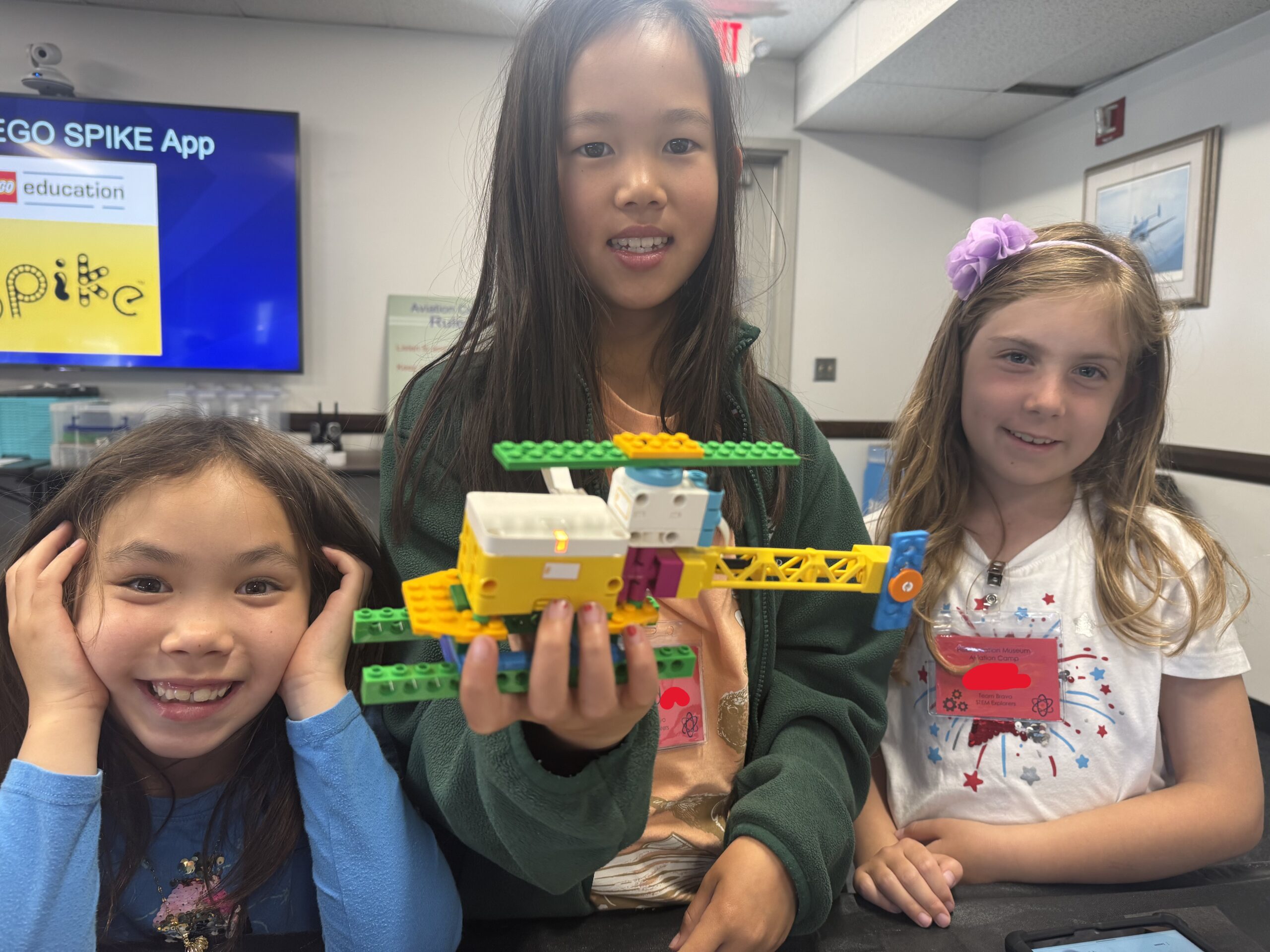
| Lego Education – Antartic Animals | Used LEGO Education to encourage creative problem-solving and play in an Anartic settings. |
| Ocean Layers | Studied the ocean layers and learn about liquid density in the process of recreating ocean layers. |
| Race Car | Observed car designs to see how different designs affect the aerodynamics of the car’s movements. |
| Seashells | Investigating ocean acidification using vinegar and seashells. |
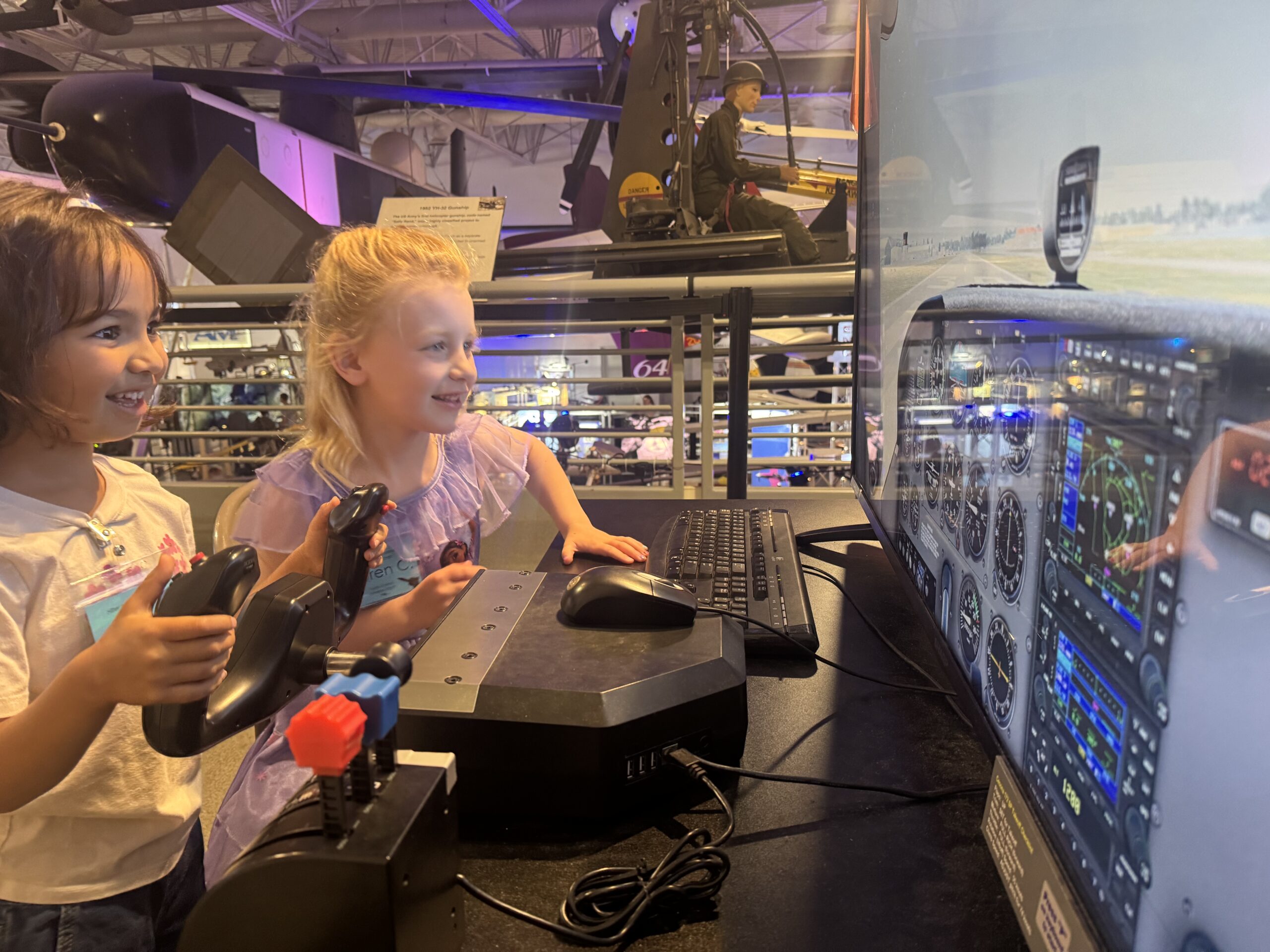
| Simulators: Intro | Completed introductory flight simulations learning how to fly straight and level, land, and take-off. |
| Simulators: STOL | Practiced take offs and landings on short runways |
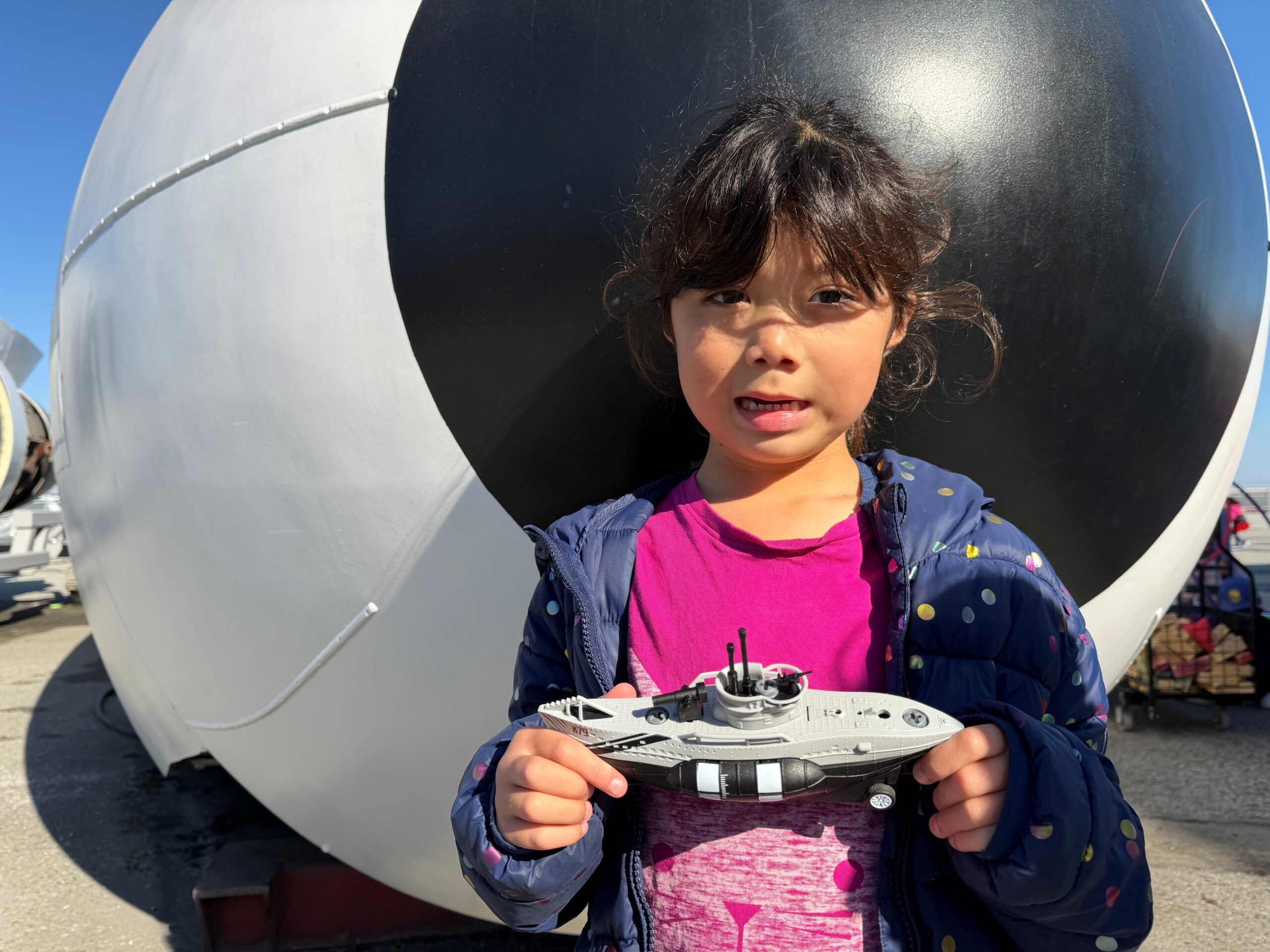
| Submarines | Learned about submarines and how scientists are attempting to create submarine to explore alien oceans on other planets. |
| Volcanoes | Learned about volcanic ash and aviation safety. Experimented with baking soda and vinegar volcanic eruptions. |
| Wind Tunnel | Created multiple wing designs and used a wind tunnel to investigate lift, Bernouli’s Principle, and aerodynamics. |
Land, Sea, & Air Camp Includes
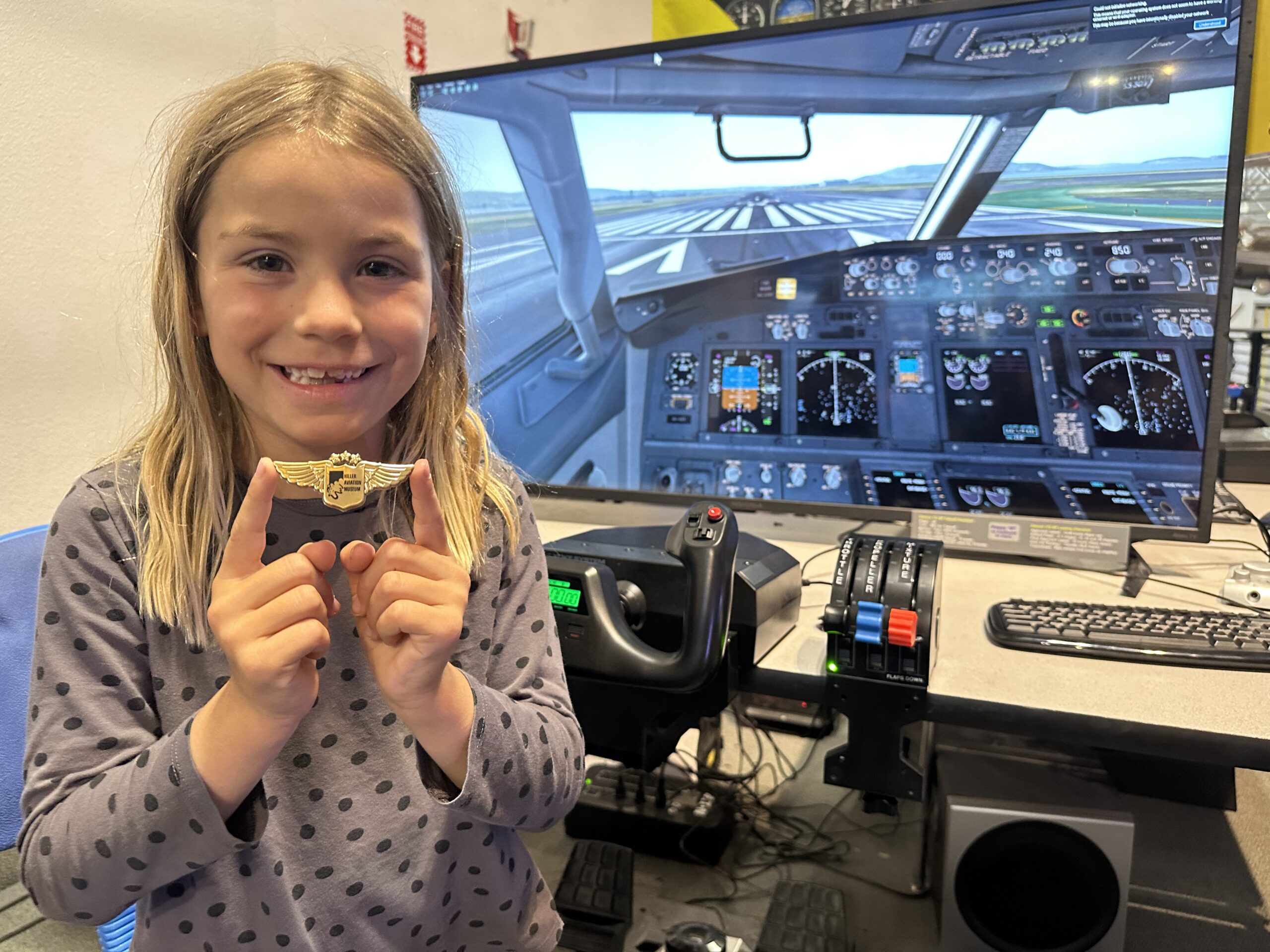
Flight Simulation
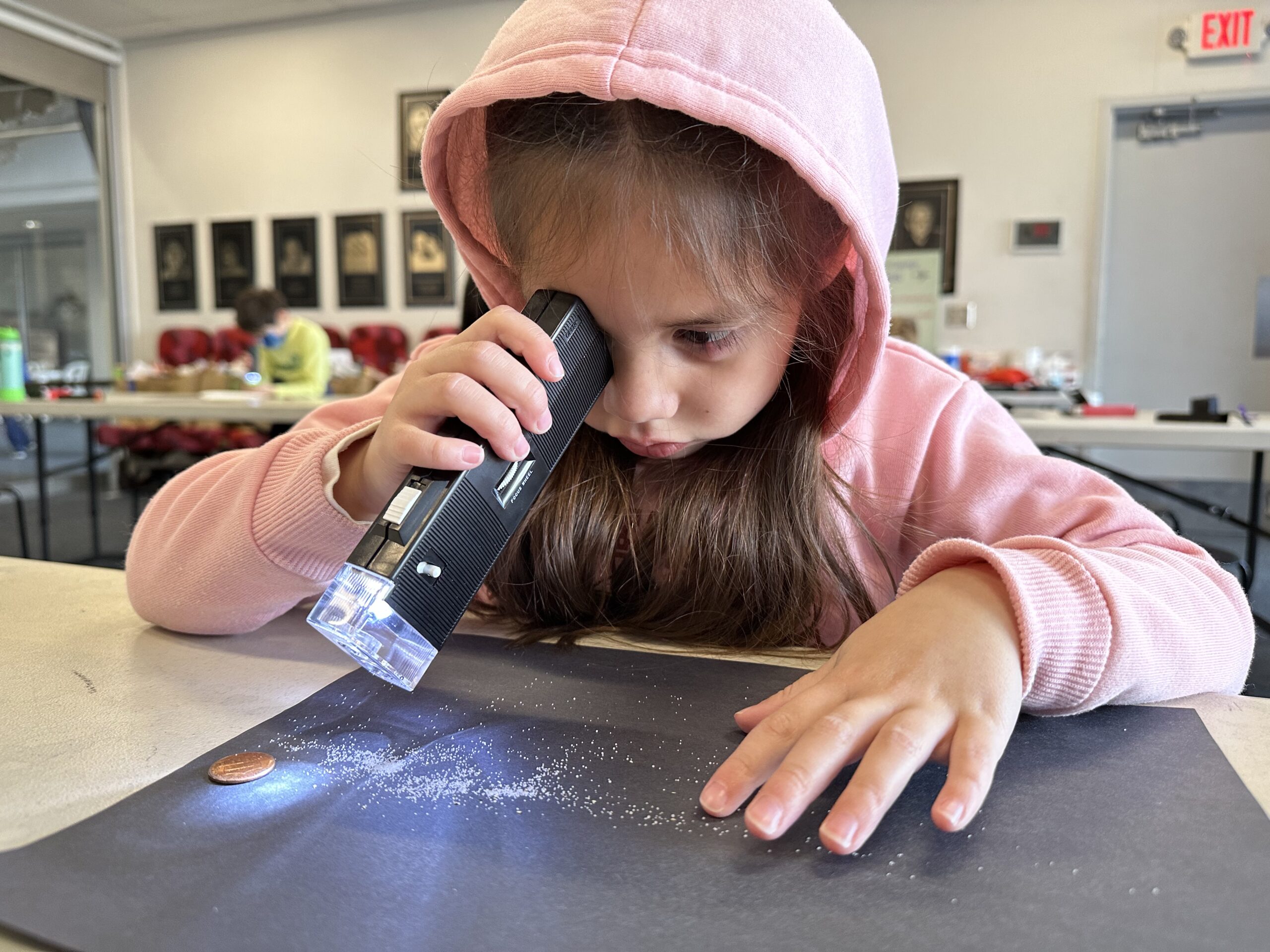
Science
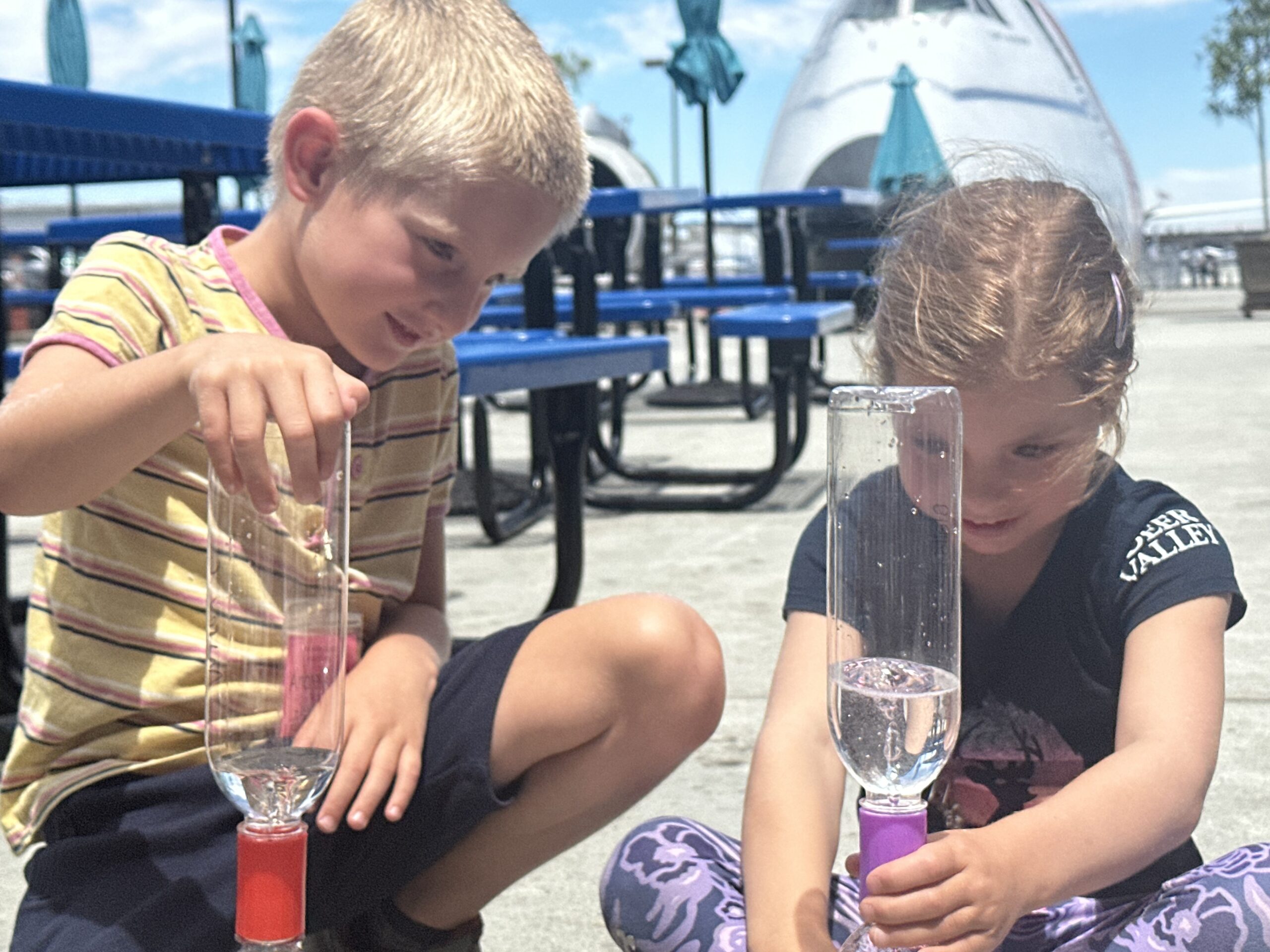
Weather
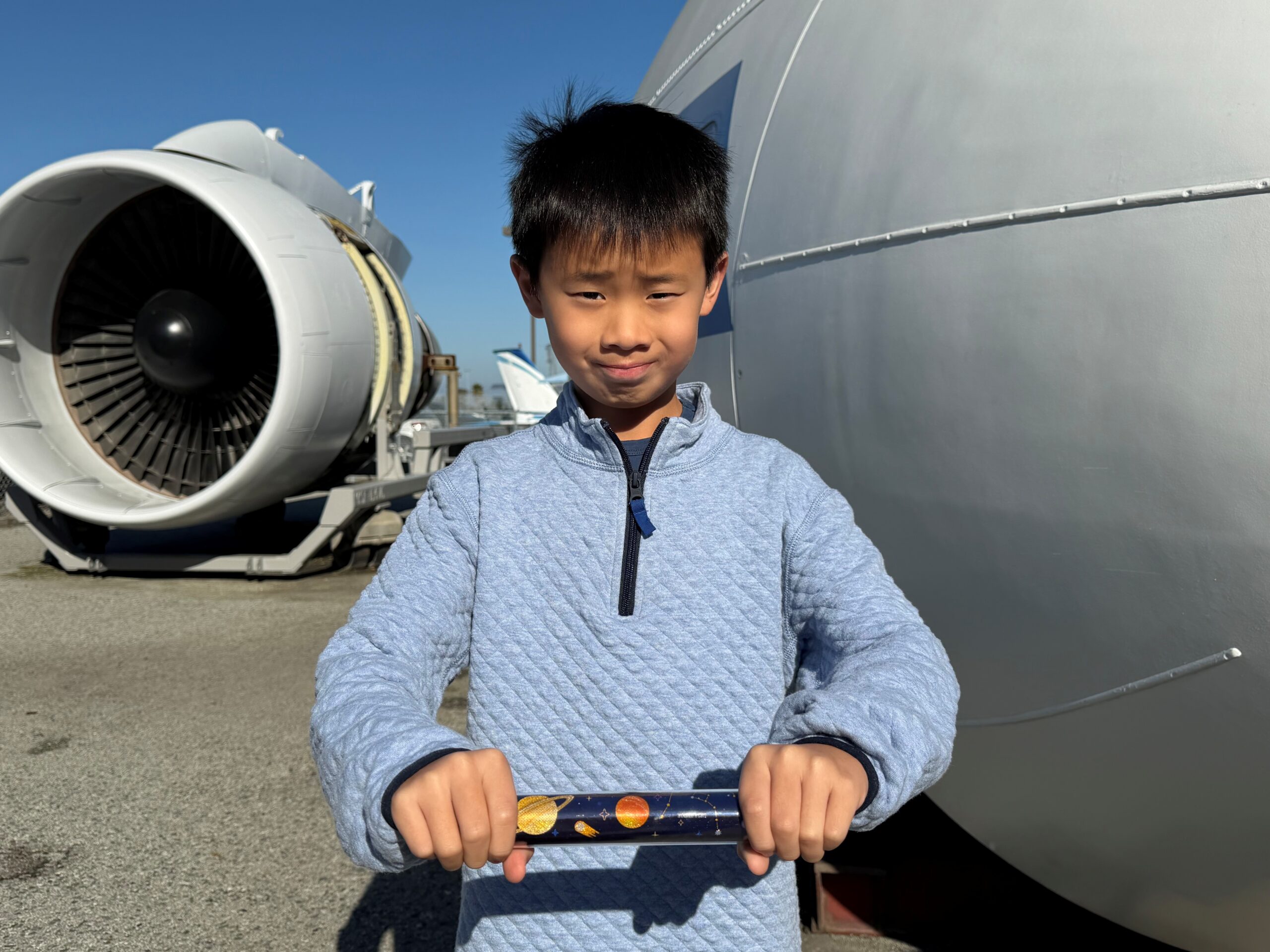
Camp Daily Schedule
Camps meet full day, 9 AM – 4 PM.
Regular camp check-in begins at 8:30 AM, and check-out ends at 4:15 PM.
Extended PM hours are available for select sessions. PM Care end times and fees vary by session. See registration page for details.
The camp day is split into 4 activity sessions with a recess/meal break in between each session. Children will be assigned to discrete teams and remain with their team and the same instructional staff for the entire session.