Hiller Aviation Museum
Spaceflight Tech
Advanced Rocketry and Space Science
Spaceflight Tech Camp Details
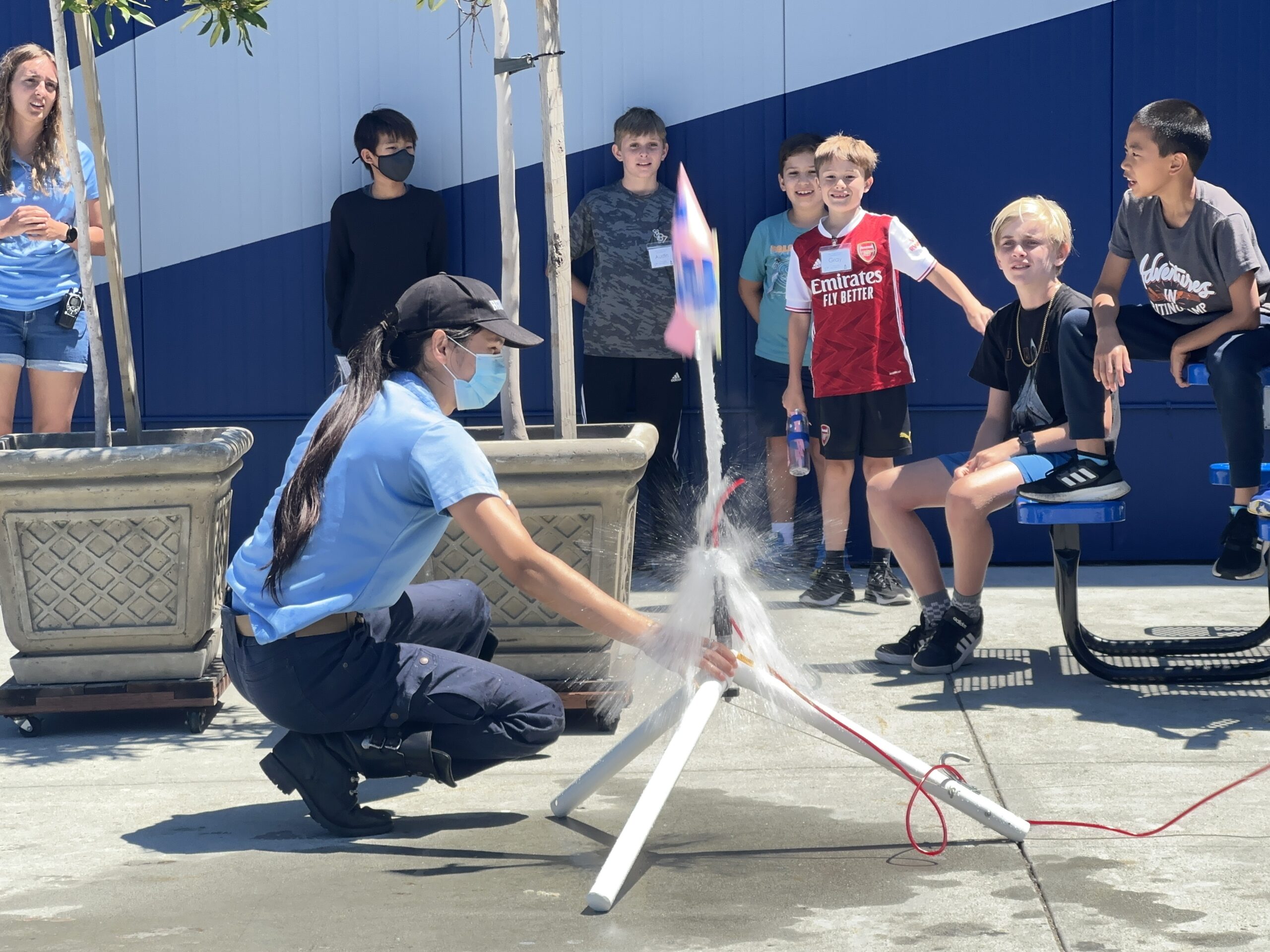
Reach for the stars with the highest-flying Aviation Camp of all! Construct an advanced model rocket, then fly it using a solid propellant motor on Friday’s launch day!
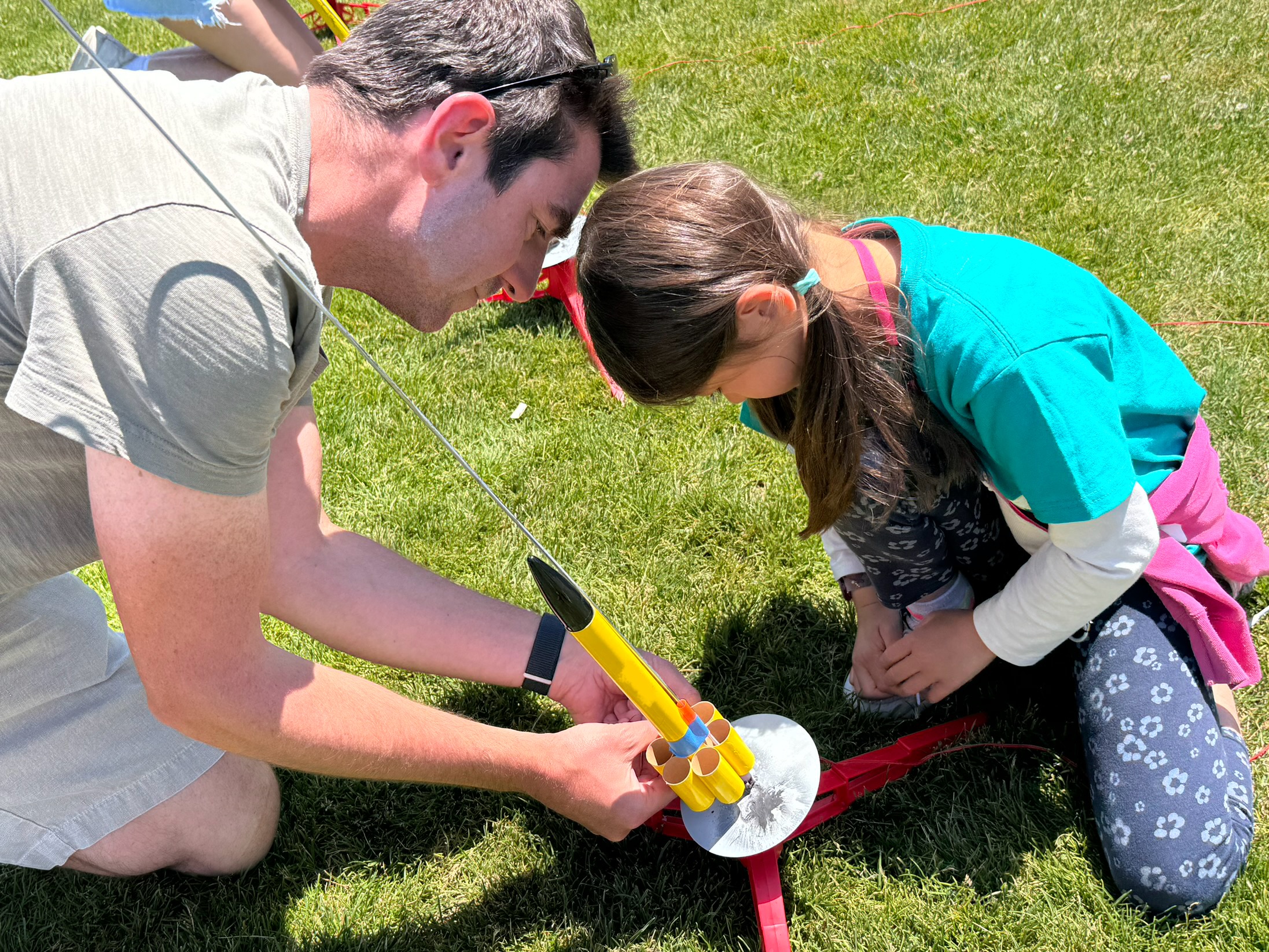
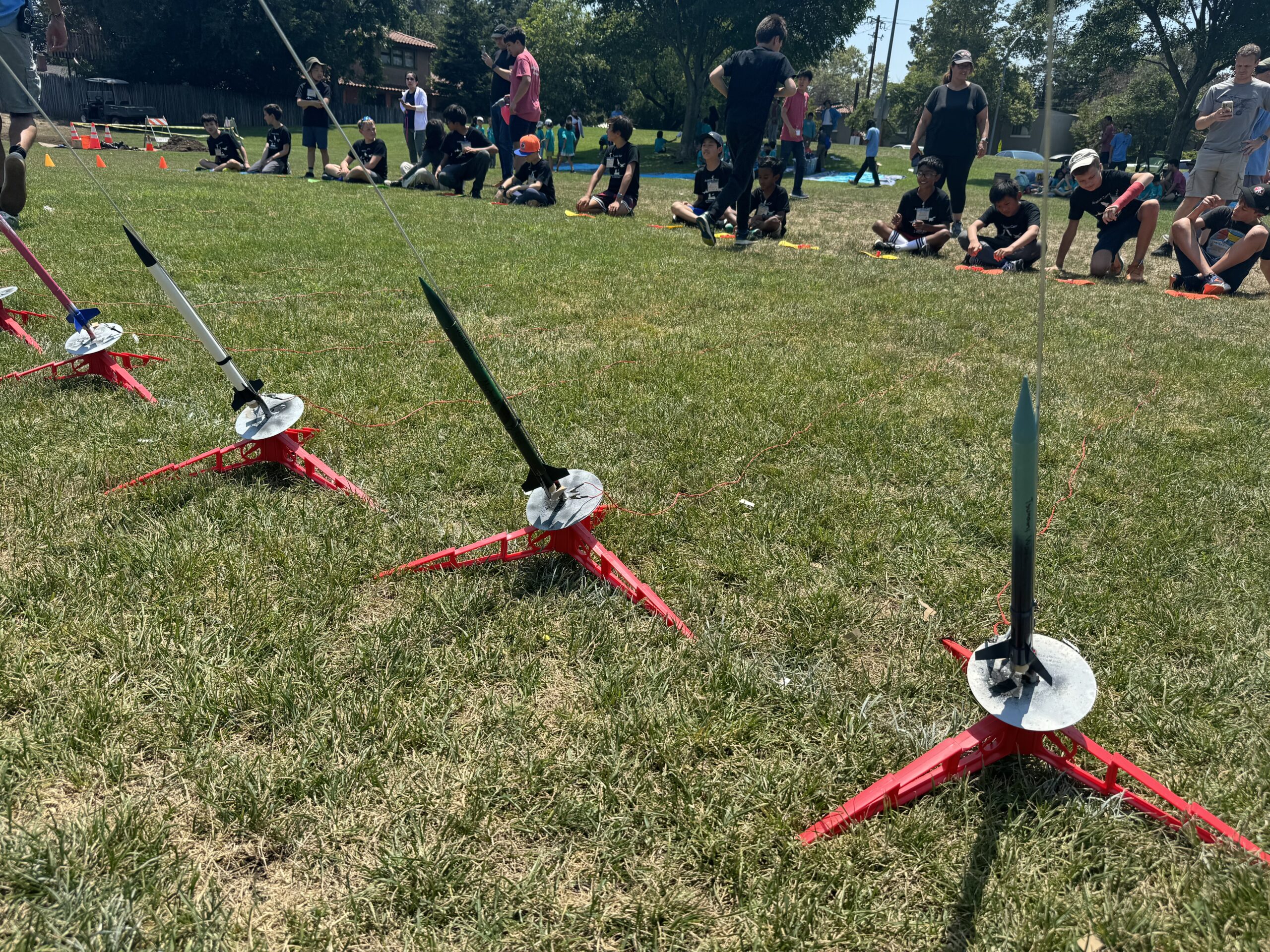
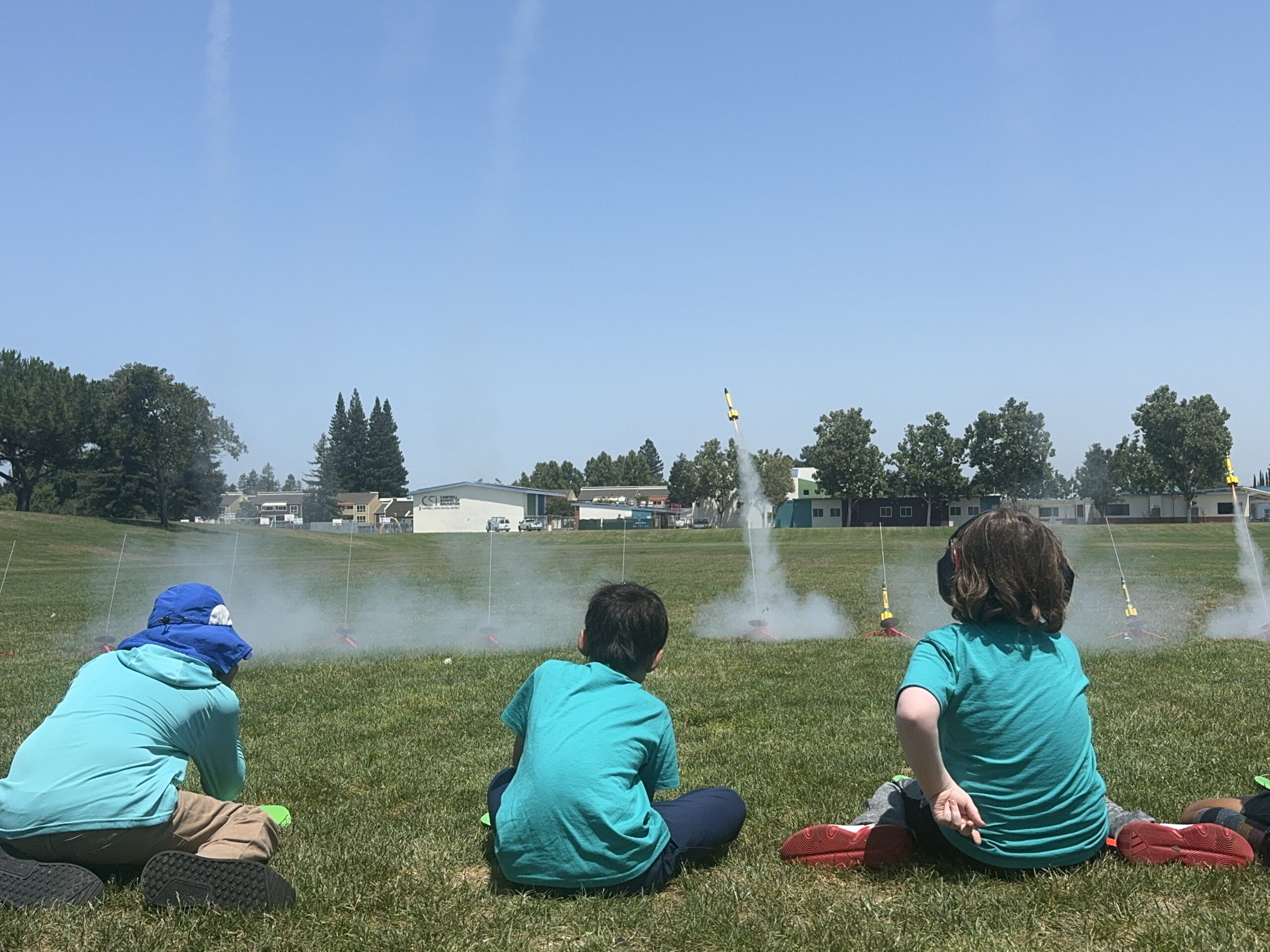
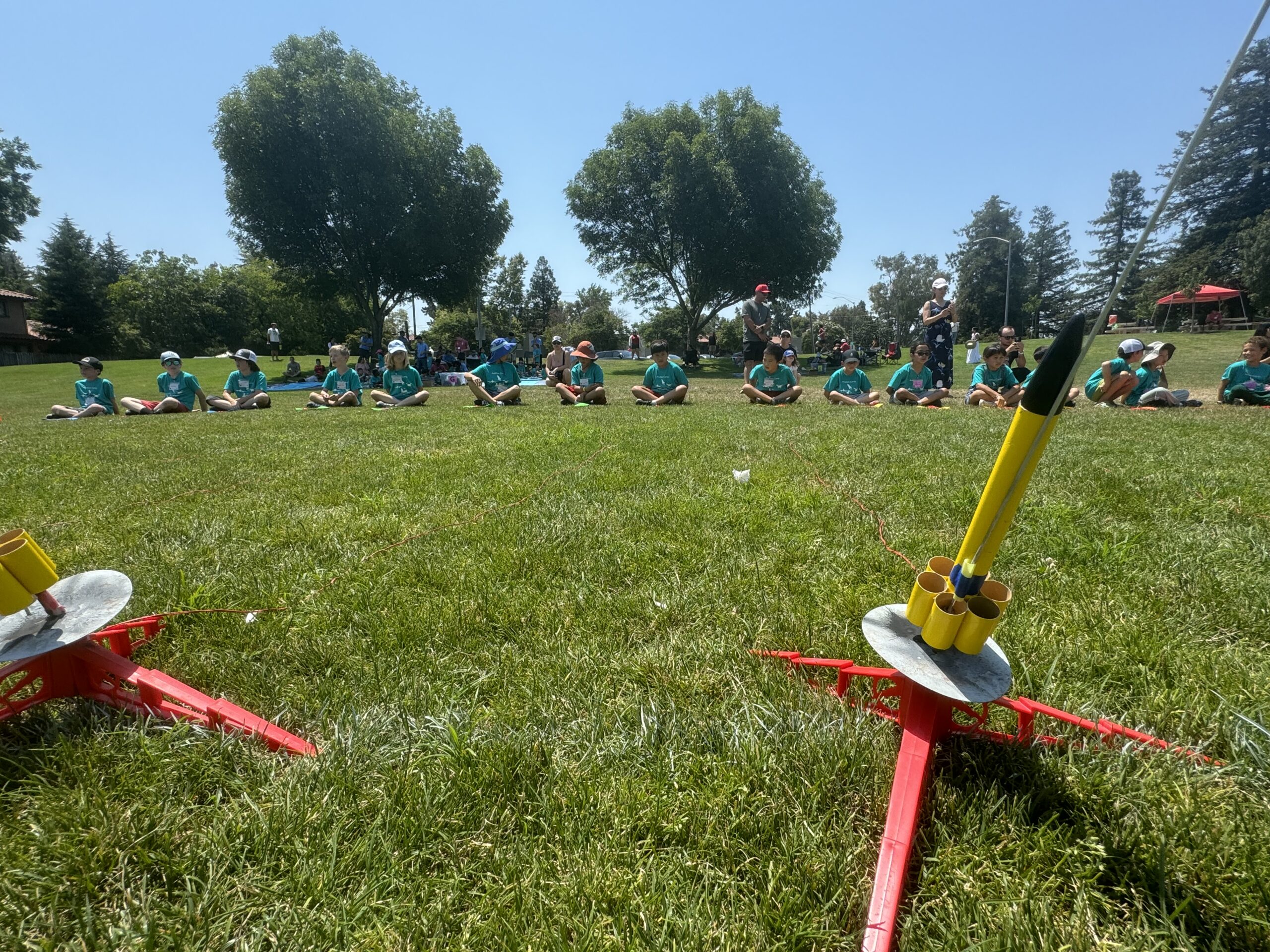
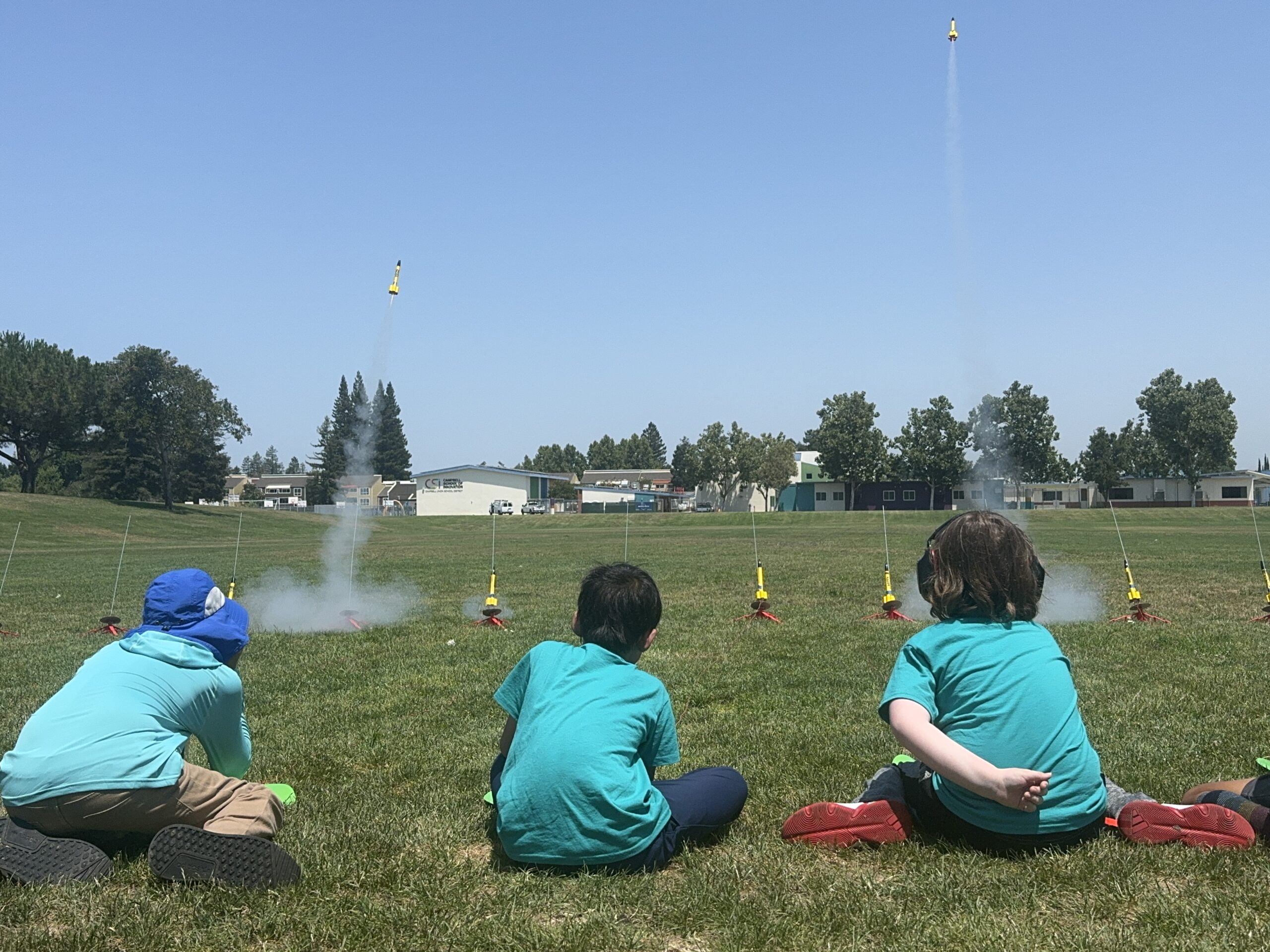
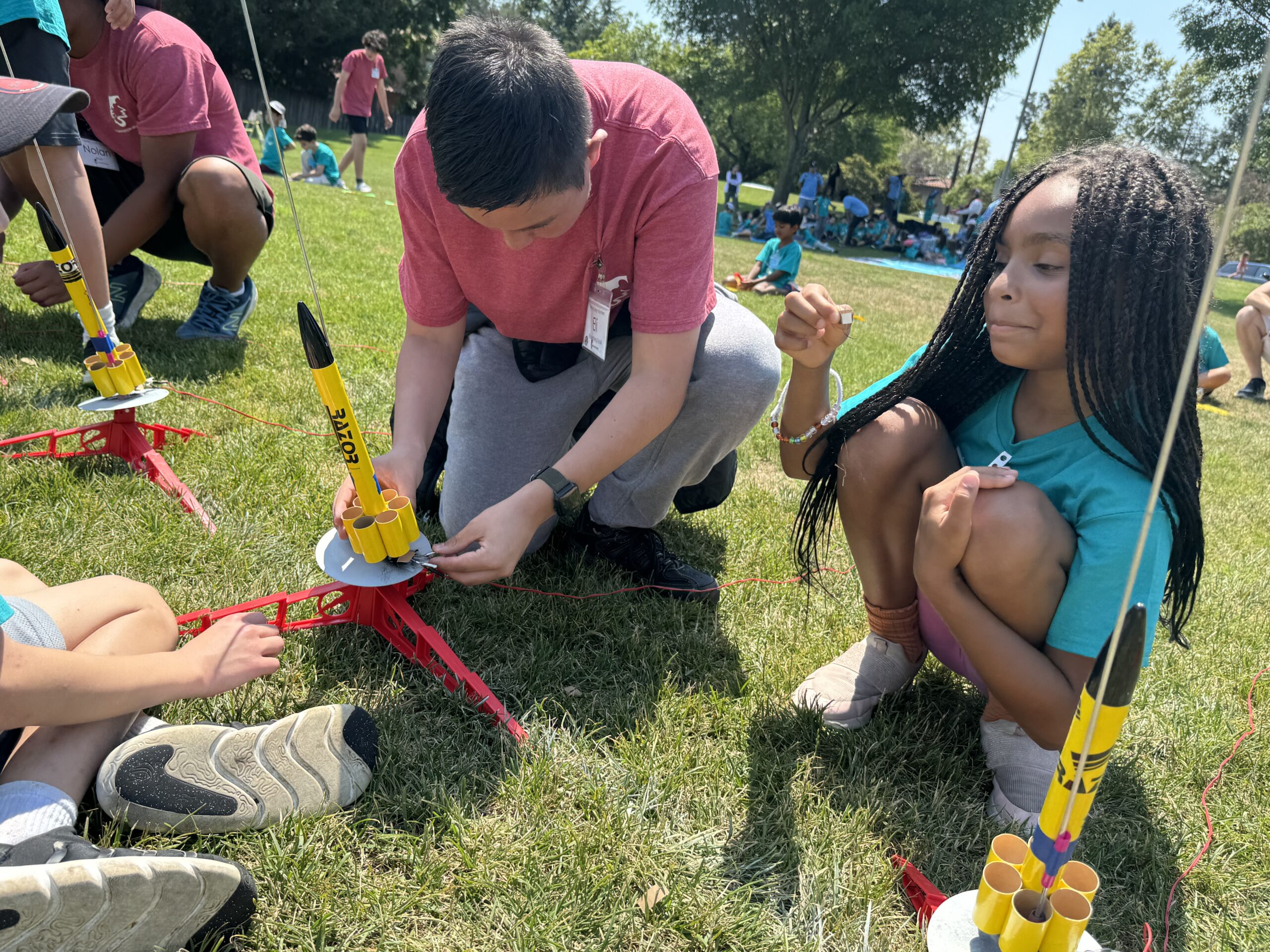
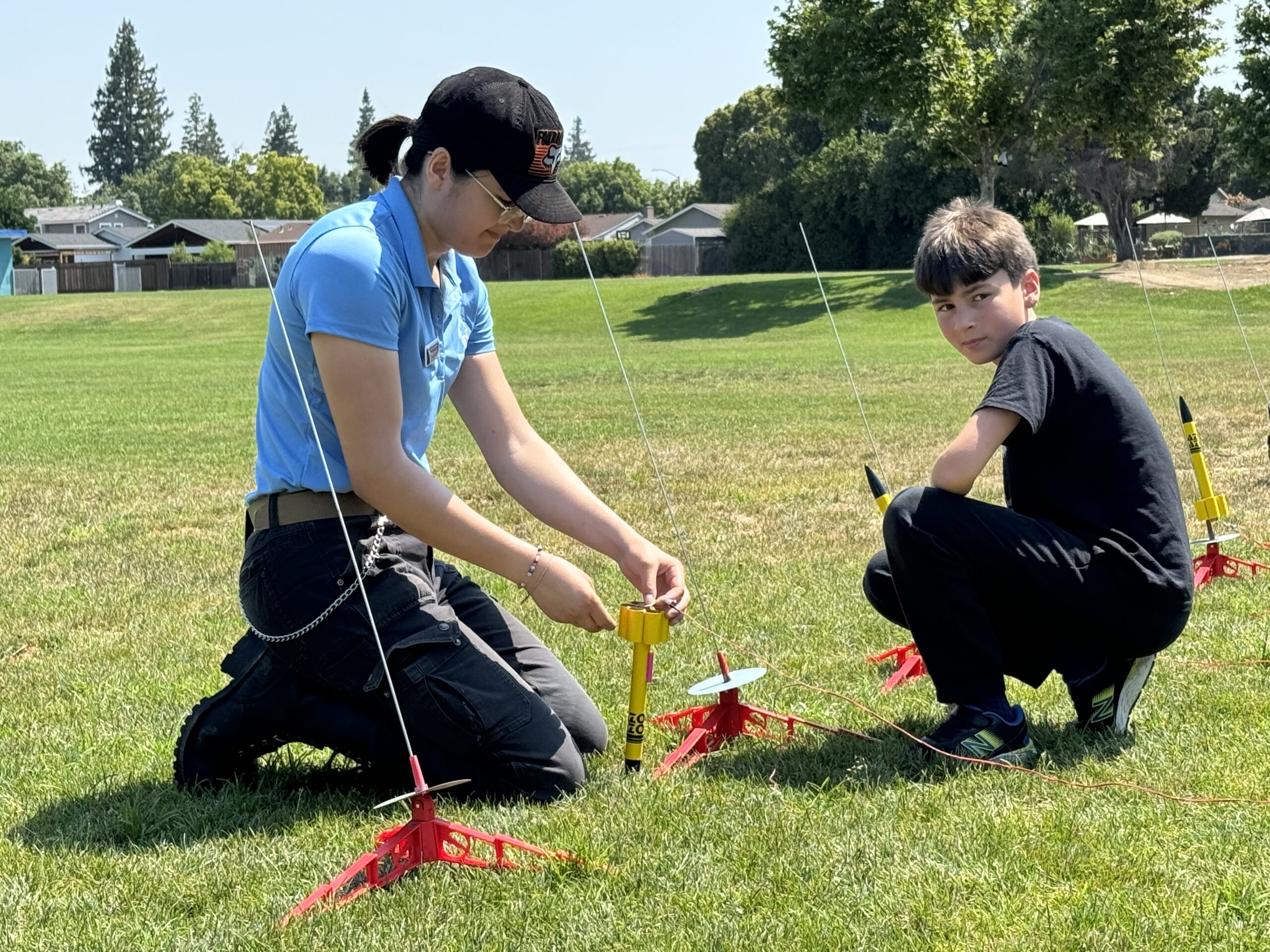
Travel to John D. Morgan Park in Campbell to prepare model rockets for flight! Participate in a safety briefing, then use solid-fuel rocket motors to launch rockets to speeds of 60 mph and altitudes approaching 300′!
Explore destinations in our solar system and beyond with a working refractor telescope. Enter the Starlab planetarium to identify star patterns and planets visible for observation, master moon phases and locate stars used for celestial navigation. Analyze real Mars images collected by orbiting spacecraft, collect and examine real meteorites, fly high performance aircraft in the flight simulators and much more in a journey to infinity and beyond!
Camp Details
Spaceflight Tech Sessions
- June 22-26, 2026
- July 6-10, 2026 Waitlist
- July 20-24, 2026 Waitlist
- August 3-7, 2026 Waitlist
See Camp Calendar for availability.
Field Trip Launch Site Information
On Friday of the camp week, Air & Space and Spaceflight Tech campers will head to the John D. Morgan Park in Campbell to launch their model rockets.
Campers should check in by the regular 9 AM start time at the Hiller Aviation Museum on Friday morning. They will depart the Hiller Aviation Museum via bus promptly at 9:30 AM and return to the Hiller Aviation Museum by 2 PM on Friday afternoon.
Camp activities will continue at the museum until the usual 4 PM pick-up time.
Parents are welcome to attend the rocket launch event! See field trip information letter for more details.
EXAMPLE OF SPACEFLIGHT TECH CURRICULUM
LESSON |
DESCRIPTION |
| Drone Plex – Mars Drone | Flew a simulated quadcopter in the Drone Plex. |
| Field Trip | Prepared their model rocket for flight with recovery wadding, a solid fuel rocket engine and an electric ignition system. |
| Glider – Rocket | Learned about glider flight and launched a glider. |
| Mars Image Analysis | Discovered how scientists use remote sensing to explore alien worlds while using infrared data collected at Mars to investigate the Red Planet. |
| Metorites | Studied rocks to observe the difference between tektites and meteorites. |
| Moon Phases | Learned about the different phases of the moon and built a moon phase finder. |
| Rocket 1 | Model Rocket Construction – Rotation 1 of 4 |
| Rocket 2 | Model Rocket Construction – Rotation 2 of 4 |
| Rocket 3 | Model Rocket Construction – Rotation 3 of 4 |
| Rocket 4 | Model Rocket Construction – Rotation 4 of 4 |
| Simulators: Intro | Completed introductory flight simulations learning how to fly straight and level, land, and take-off. |
| Simulators: Shuttle | Flew a space shuttle training aircraft in the flight simulators. |
| Solar Car Design | Powered a vehicle using solar energy. |
| Solar Observation | Observed the Sun with full spectrum solar glasses and an h-alpha solar telescope. |
| Space Shuttles | Built and flew space shuttle models. |
| Starlab | Observed constellations in the Bay Area night sky in a mobile Starlab planetarium. |
| Straw Rockets | Experimented with fin stability using straw rockets. |
| Telescopes | Built telescopes and learned about light. |
Spaceflight Tech Camp Includes
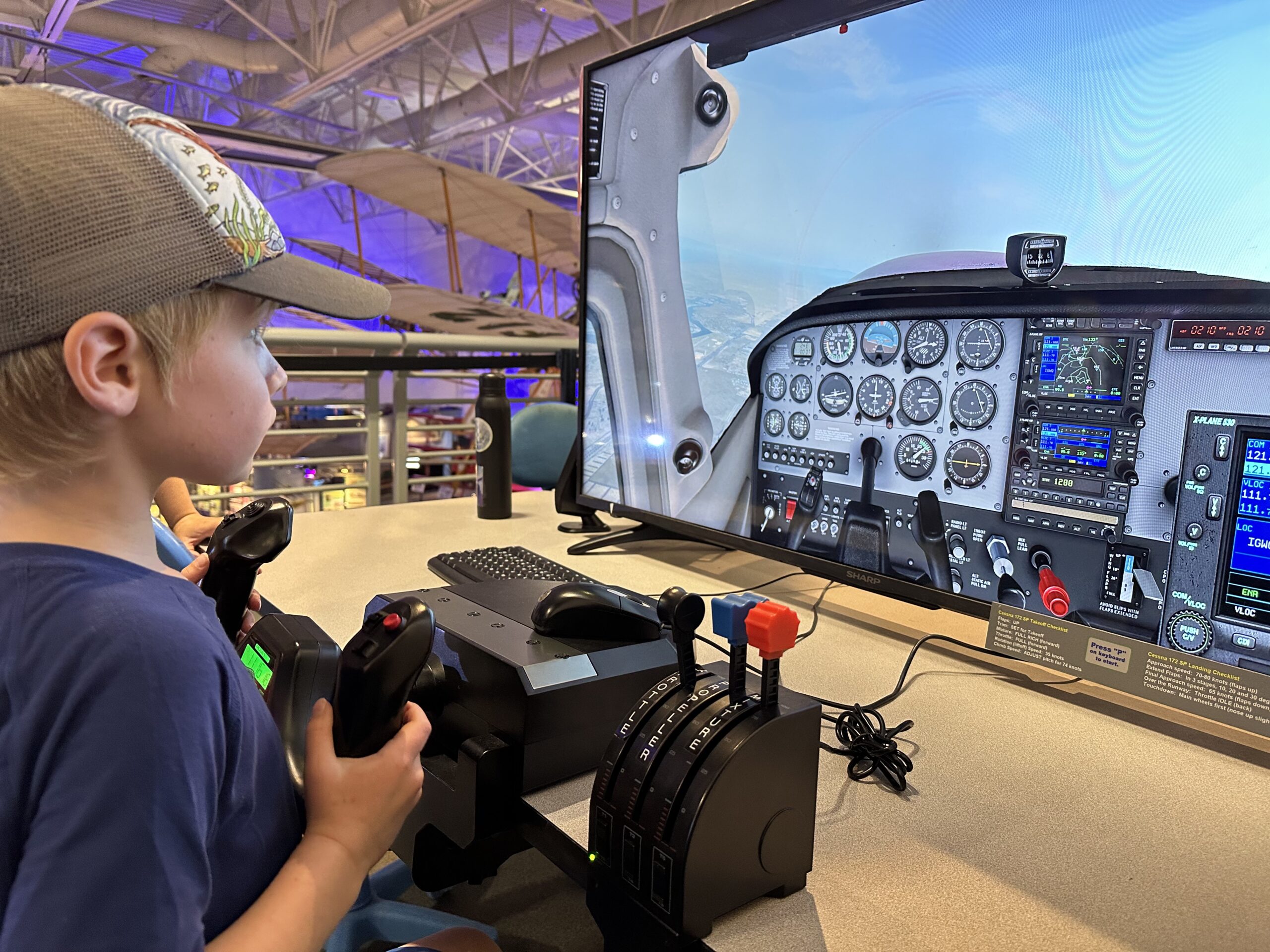
Flight Simulation
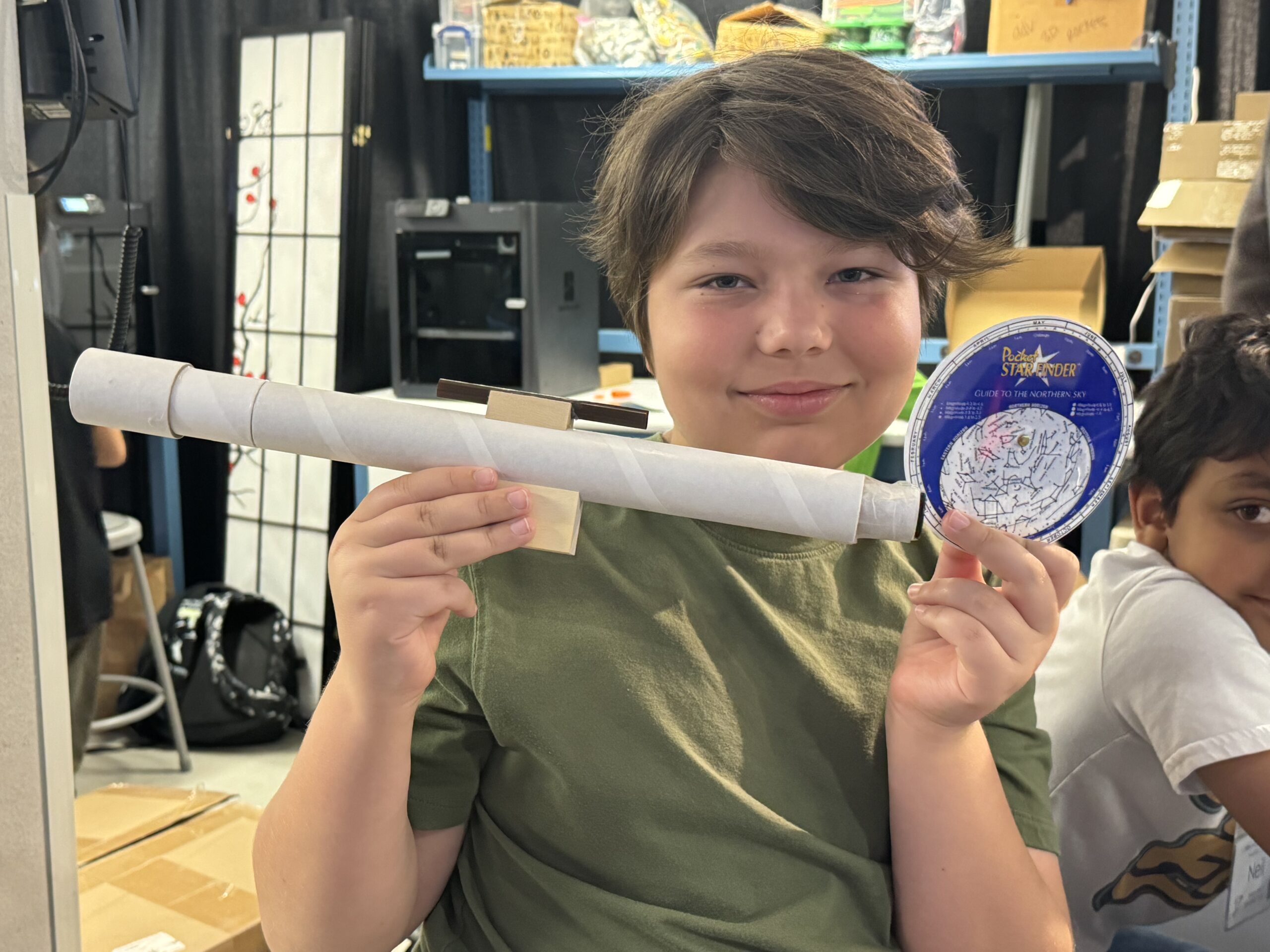
Astronomy
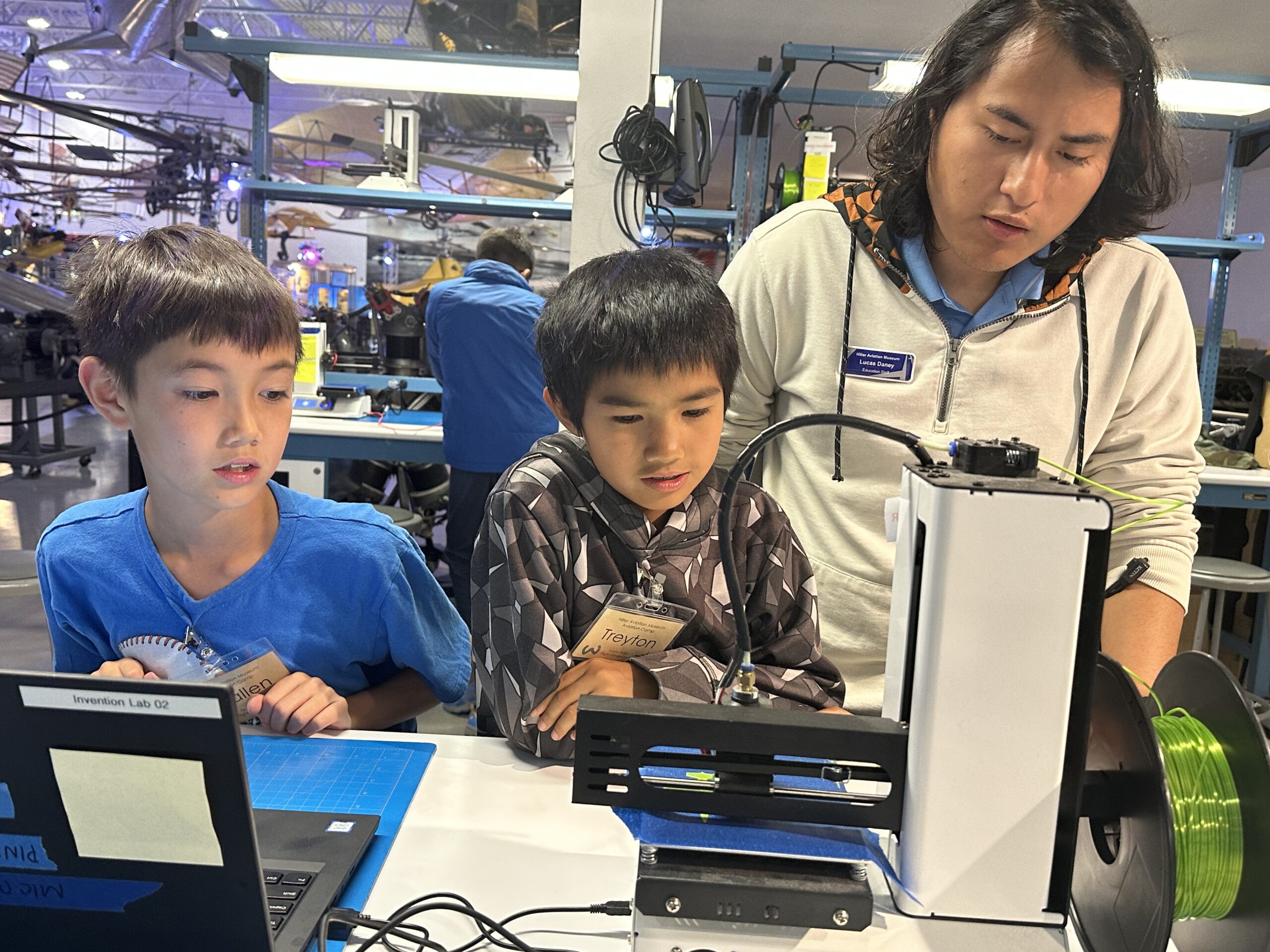
3D Printers
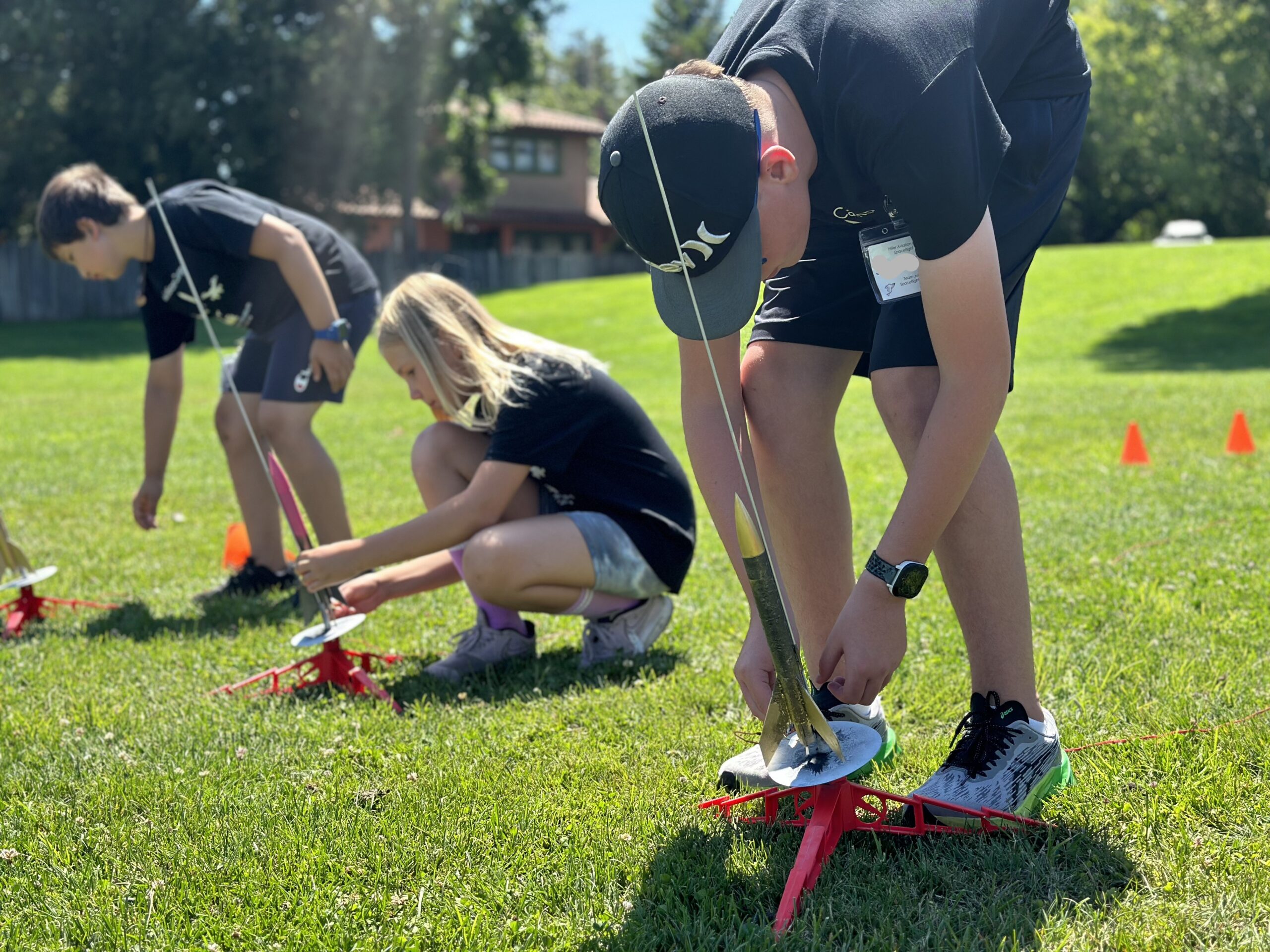
Launch Day